Instrument platform
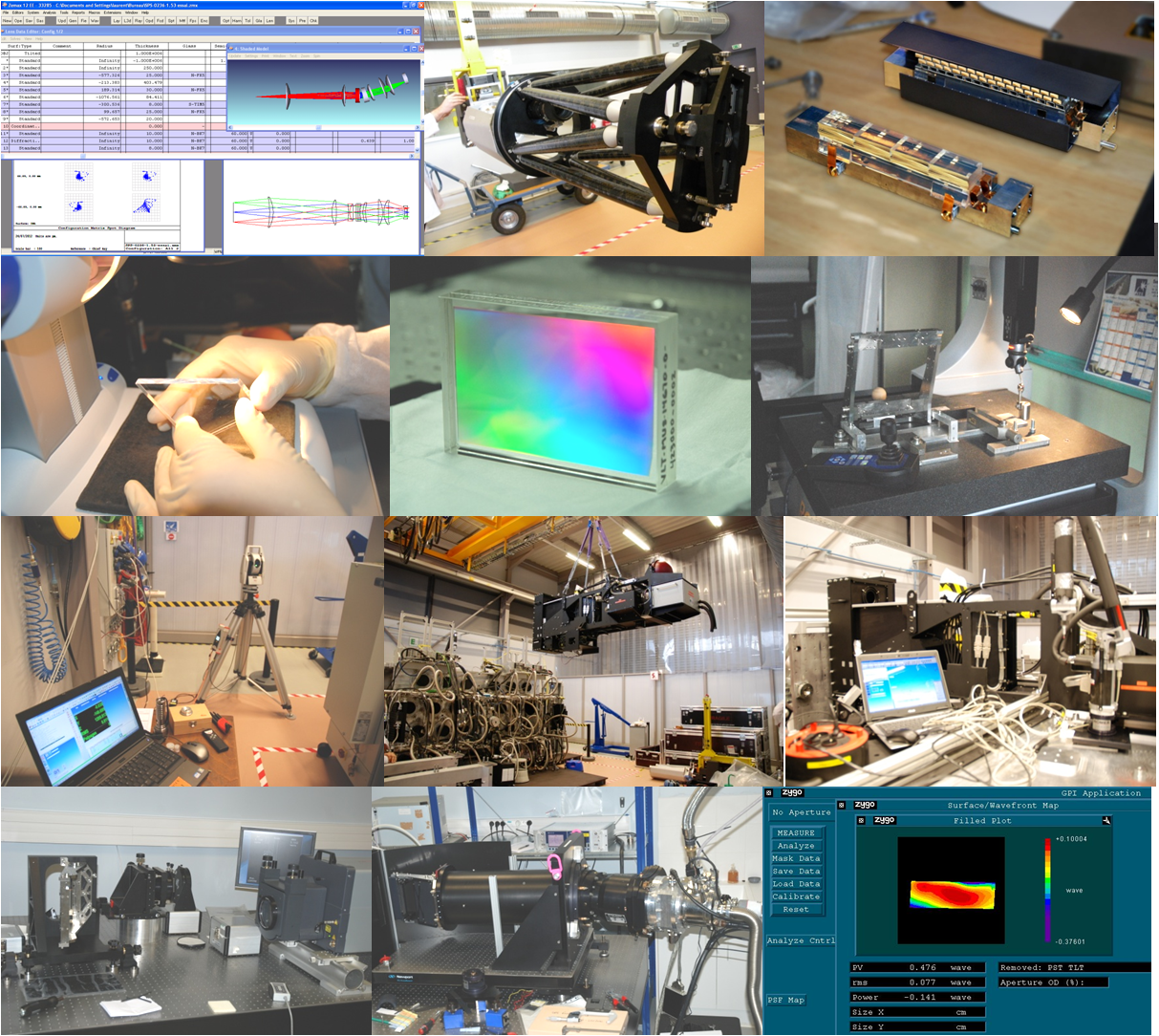
The CRAL's instrument platform includes:
- an integration hall
- an optics laboratory
- a mechanical workshop
- an electronics laboratory
Mechanical Workshop
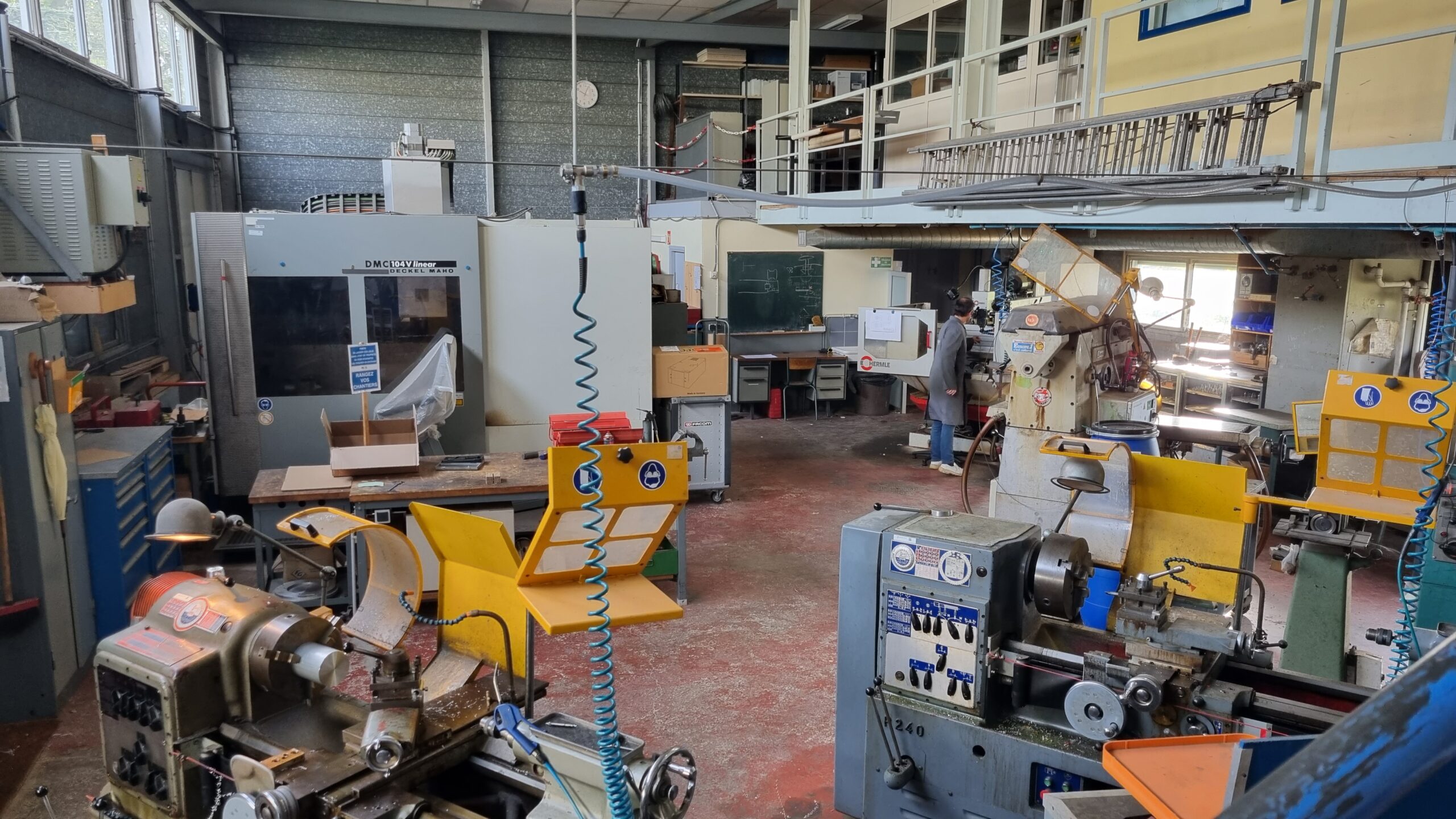
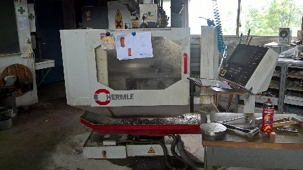
General view of the CRAL mechanical workshop.
Machining Center
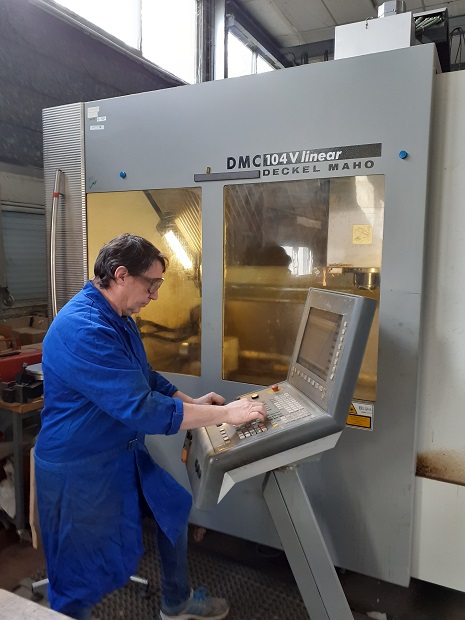
- 4-axis CNC machine tool, 1040x650x500 mm³
Siemens, 810D version – Esprit software
Shared at the Lyon site with ENSLyon, IPNL, Labo Hubert Curien, and IRC.
- Conventional machines (2 lathes, 2 milling machines)
- Conventional surface grinder
- Sharpening machine, boring machine
Precision Machinery
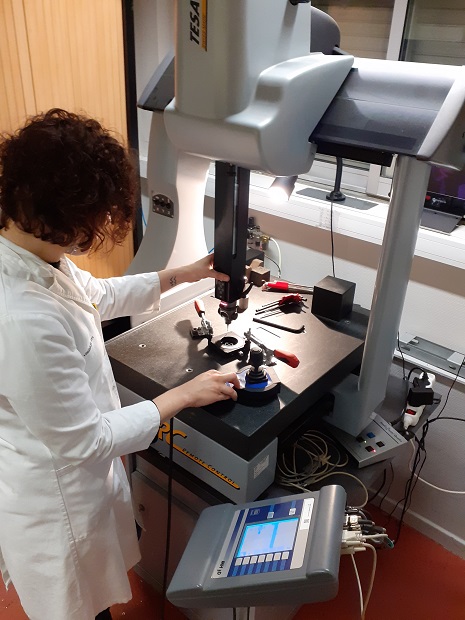
- 3D measuring machine 460x510x420 mm³, 3-micrometer accuracy, TESA Micro Hite 3D
Other equipment
- TIG/Argon welding station
Software
- Inventor (Computer-Aided Design CAD)
- Ansys (Finite Element Analysis – FEA)
Integration Hall
This building is currently used for the development of the HARMONI instrument for the future Extremely Large Telescope, as well as for testing prototypes for the BlueMUSE instrument. It is also used for R&D in very high dynamic range imaging and for the ANR Live-Mirror project. The building has two floors, with the instrument area on the ground floor and the office/meeting area on the upper floor.
In this building, the MUSE instrument for the European Southern Observatory’s (ESO) Very Large Telescope (VLT) was integrated and tested until 2012. Similarly, it was used for the development of the two 4MOST low-resolution spectrographs for the VISTA telescope, delivered in 2022 to the Potsdam Astrophysics Institute. It was also used in 2016–2017 for the Adaptive Optics upgrade project for the THEMIS telescope.
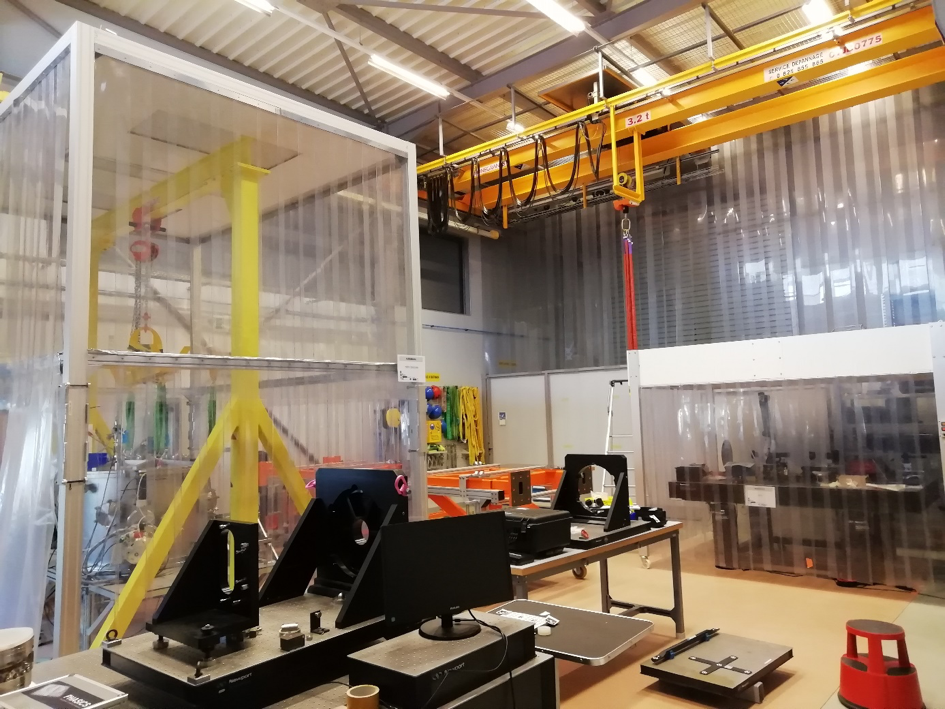
The integration area on the ground floor is separated from the reception area by a sliding door and dust curtains to maintain an appropriate level of cleanliness in the integration area. It is isolated from vibrations by a separate floor slab.
This area is equipped with a 3.2-ton hoist capable of moving both within the integration area and the reception area. The available headroom under the hoist is 5.5 m. The hoist’s travel speed is variable: from 0.1 to 20 m/min in transverse travel and from 0.1 to 5 m/min in vertical travel. This area is maintained at a controlled cleanliness level: clean air is blown through G4+F6 filters and recirculated with a minimum of fresh air. The air conditioning system maintains the temperature at 23°C ± 1°C.
Humidity is controlled so that it does not exceed 55%. An oxygen detector was installed to detect any potential nitrogen leaks. Three ISO Class 7 laminar flow hoods are available; one measuring 3550x2350x4500 mm and the other two measuring 2900x3600x3000 mm. The lifting equipment available includes a 1-ton jib crane, a 1-ton stacker, and a forklift.
The 43 m² clean optics room
This optics room is used to integrate and test critical components, such as the MUSE/ESO-VLT image segmenters. It is currently used for two R&D projects: one in very high dynamic range imaging and one for a metrology system capable of operating inside a cryostat at -140°C. This room is controlled for temperature, humidity, oxygen levels, and cleanliness to meet ISO 6 standards. This room is separated from the integration area by an airlock to prevent any contamination.
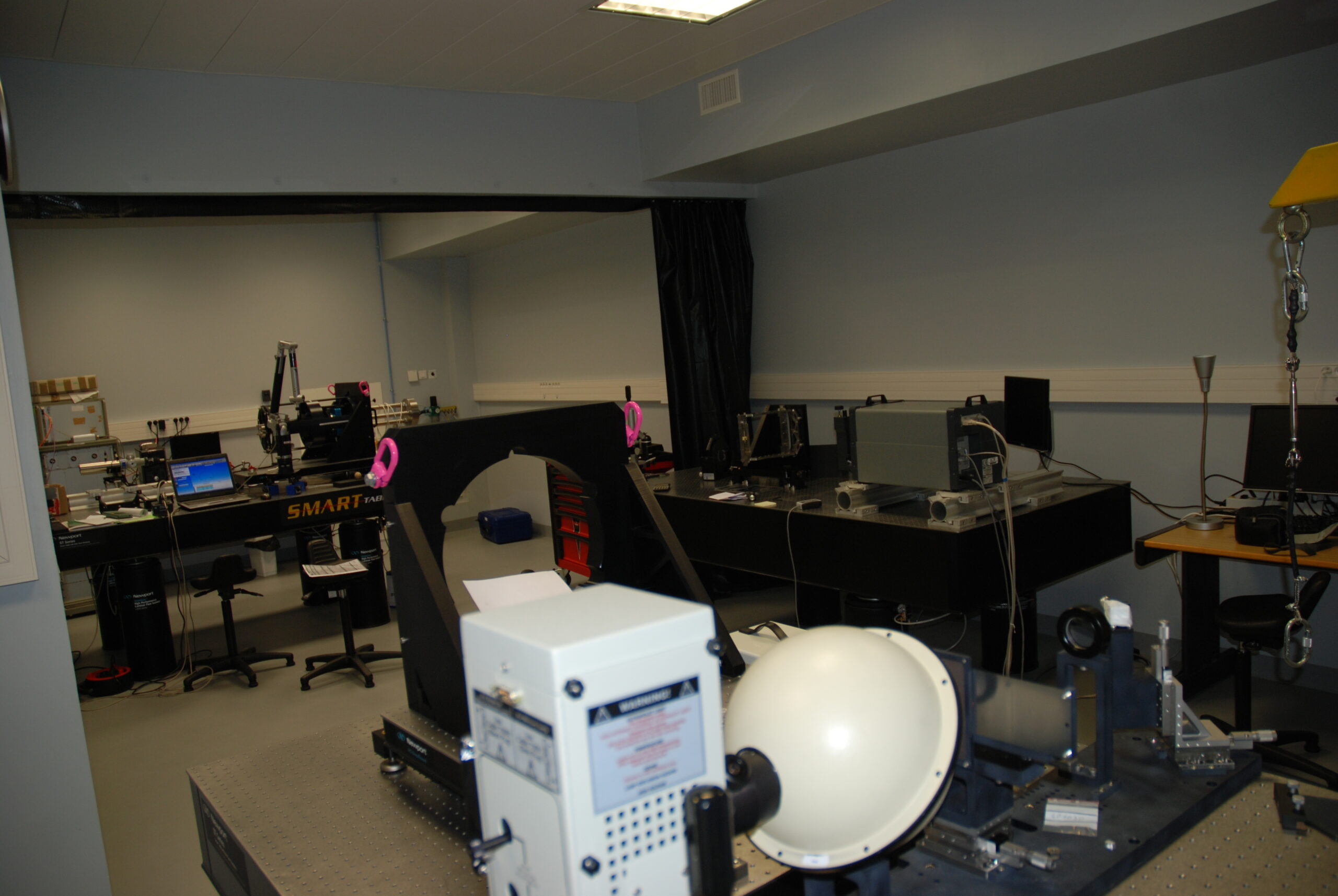
This room houses a Zygo interferometer for measuring the wavefront of optical components used in instrumental projects and for testing components of the ANR Live-Mirror. This room was dedicated to the control of the MUSE/ESO-VLT instrument and data acquisition. It is equipped with 9 RJ45 ports with a 1 Gbit network and a 7-port switch, each with 1 Gbit.
The 37 m² reception area
It is located just behind the delivery gate (4 m wide and 5.5 m high), which is accessible to heavy trucks. This area is used for unloading and temporary storage of the various instrument components.
A changing room with an 8 m² airlock for entry into the clean zone.
To ensure compliance with the various clean zones, different procedures for donning protective gear have been implemented.
A 45 m² observation gallery
It allows visitors to view activity in the integration zone through a glass partition and to accompany public tours.
The Integration Hall Floor
It consists of:
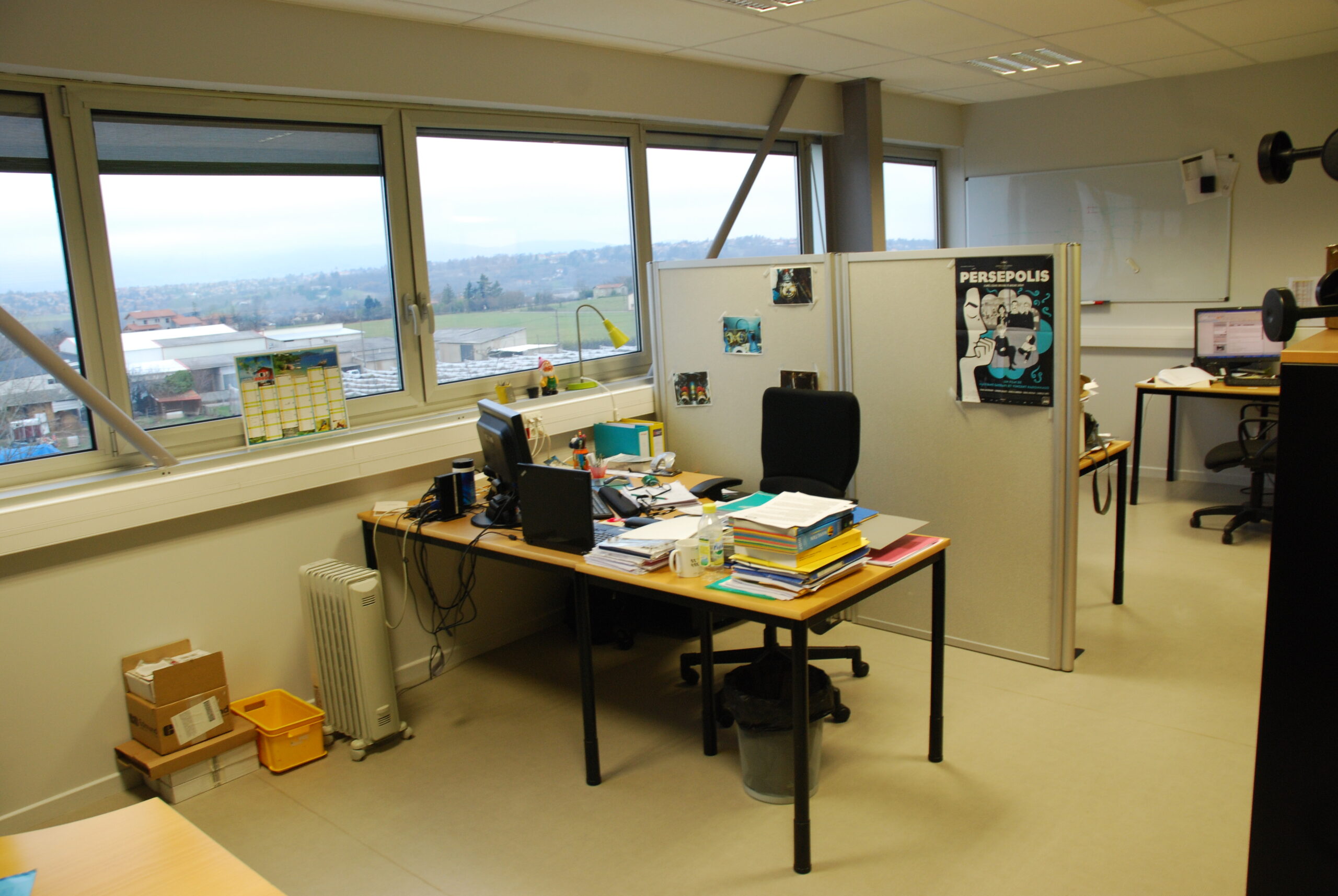
- offices for the opticians of the Instrumentation Division
- a 22-square-meter videoconferencing room
- an 18-square-meter meeting room
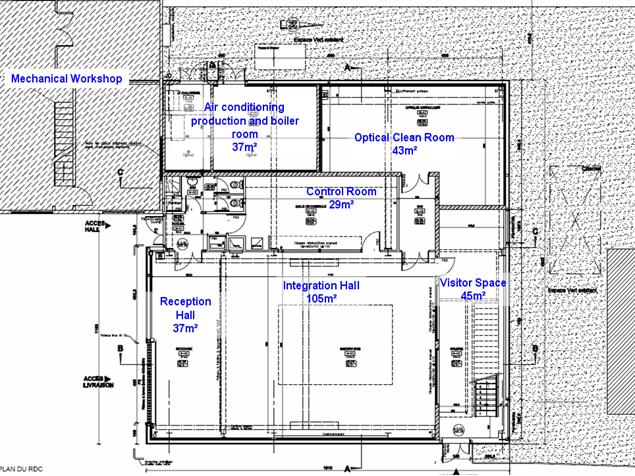
Floor plans of the integration hall building
The ground floor of the building and its various areas.
History
In order to accommodate large instruments intended for major observatories, CRAL commissioned the construction of a building featuring an integration hall equipped with an overhead crane at the Lyon Observatory site in Saint-Genis Laval. The project was commissioned by the City of Lyon and completed in 2009. This building was constructed adjacent to CRAL’s existing mechanical workshop.
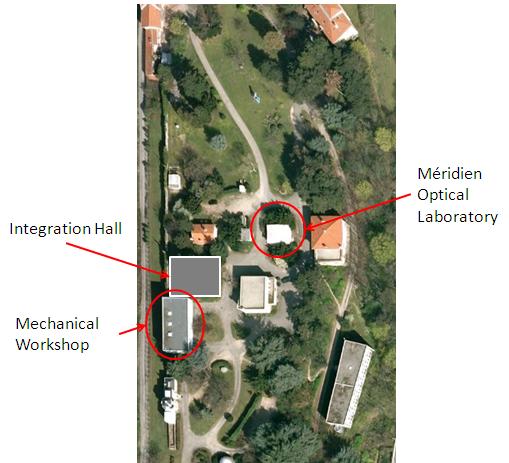
Aerial view of the integration hall on the historic site of the Lyon Observatory.
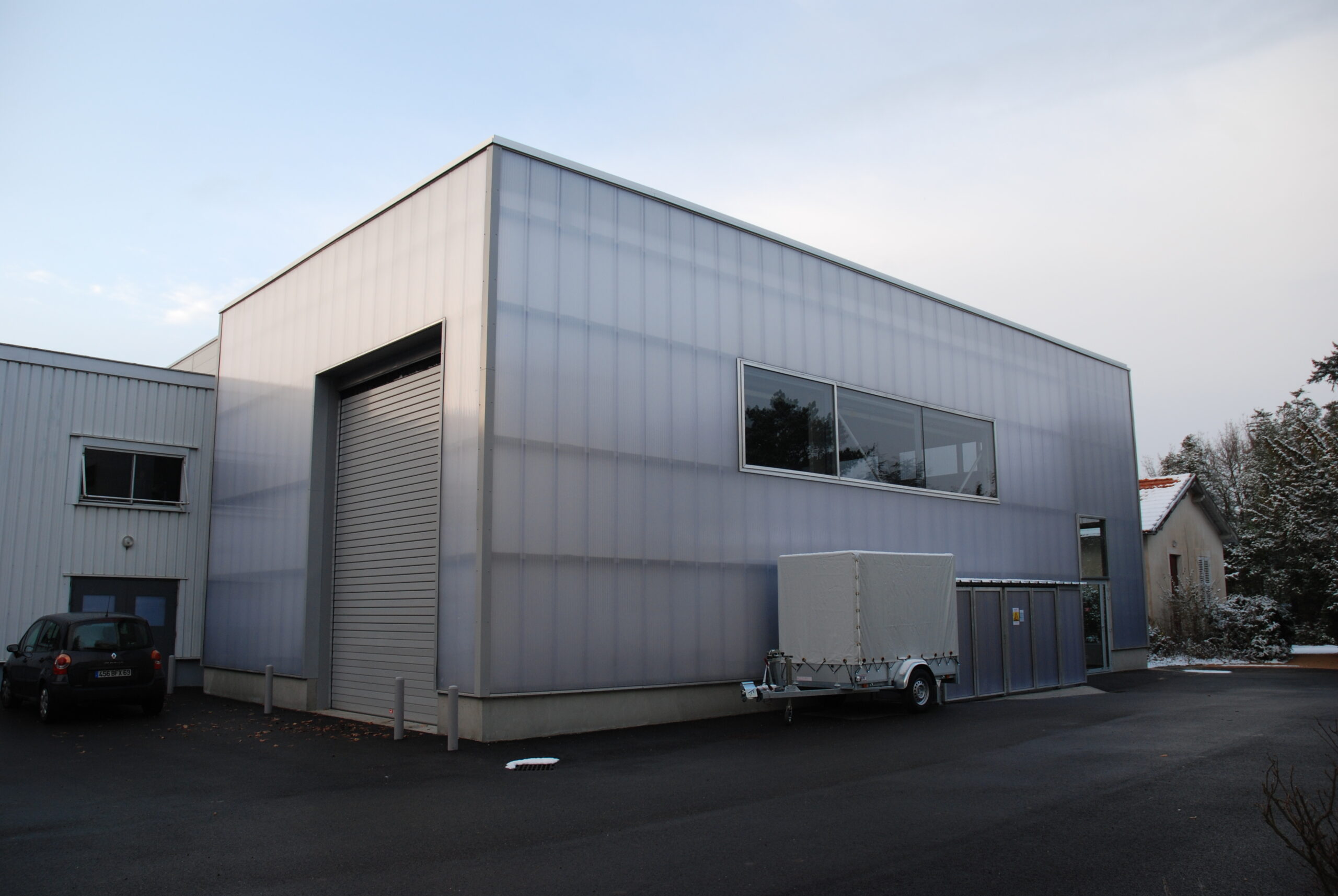
Exterior view of the integration hall.
View of the integration area during the integration of the MUSE instrument for the European Southern Observatory’s (ESO) Very Large Telescope (VLT) (2012).
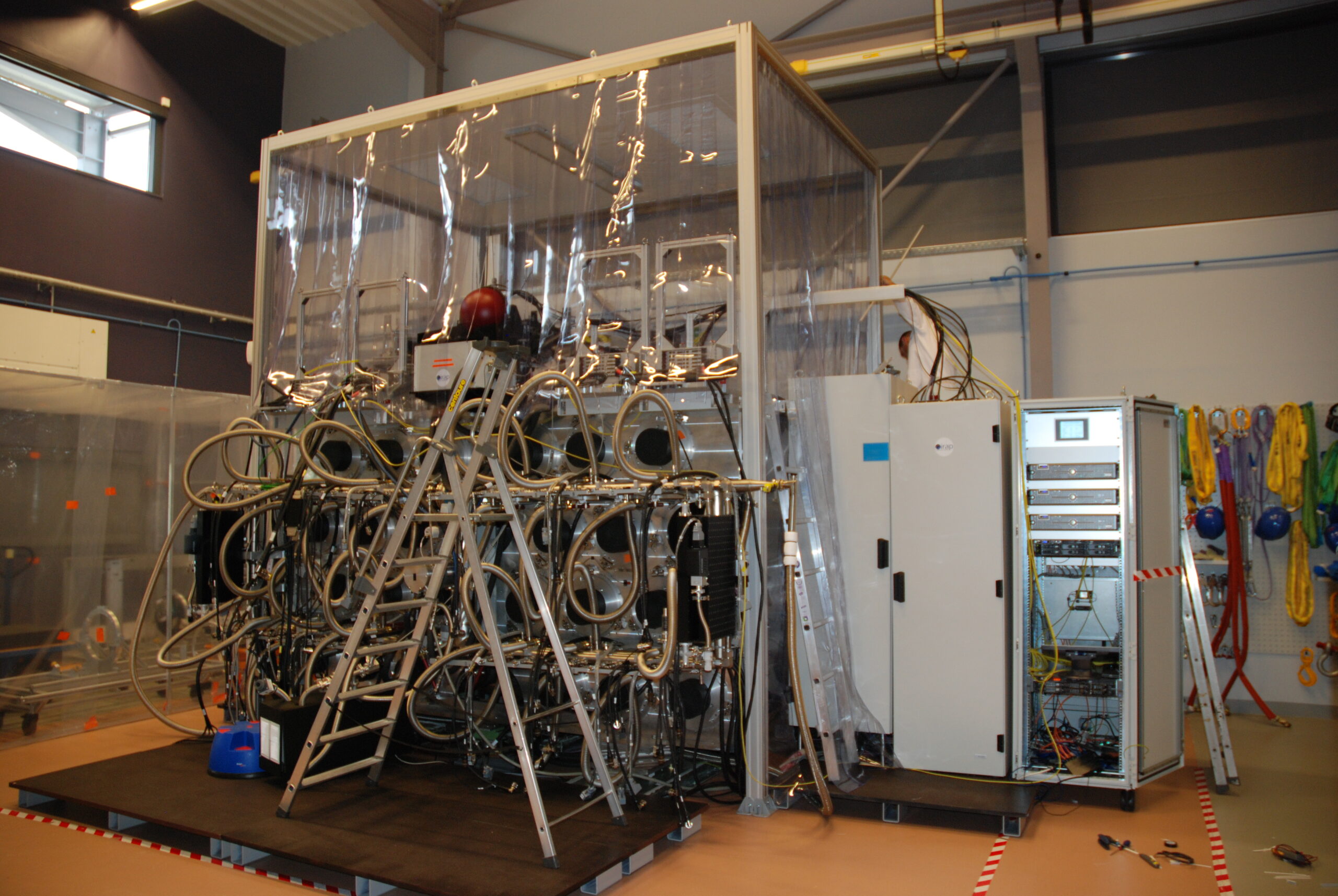
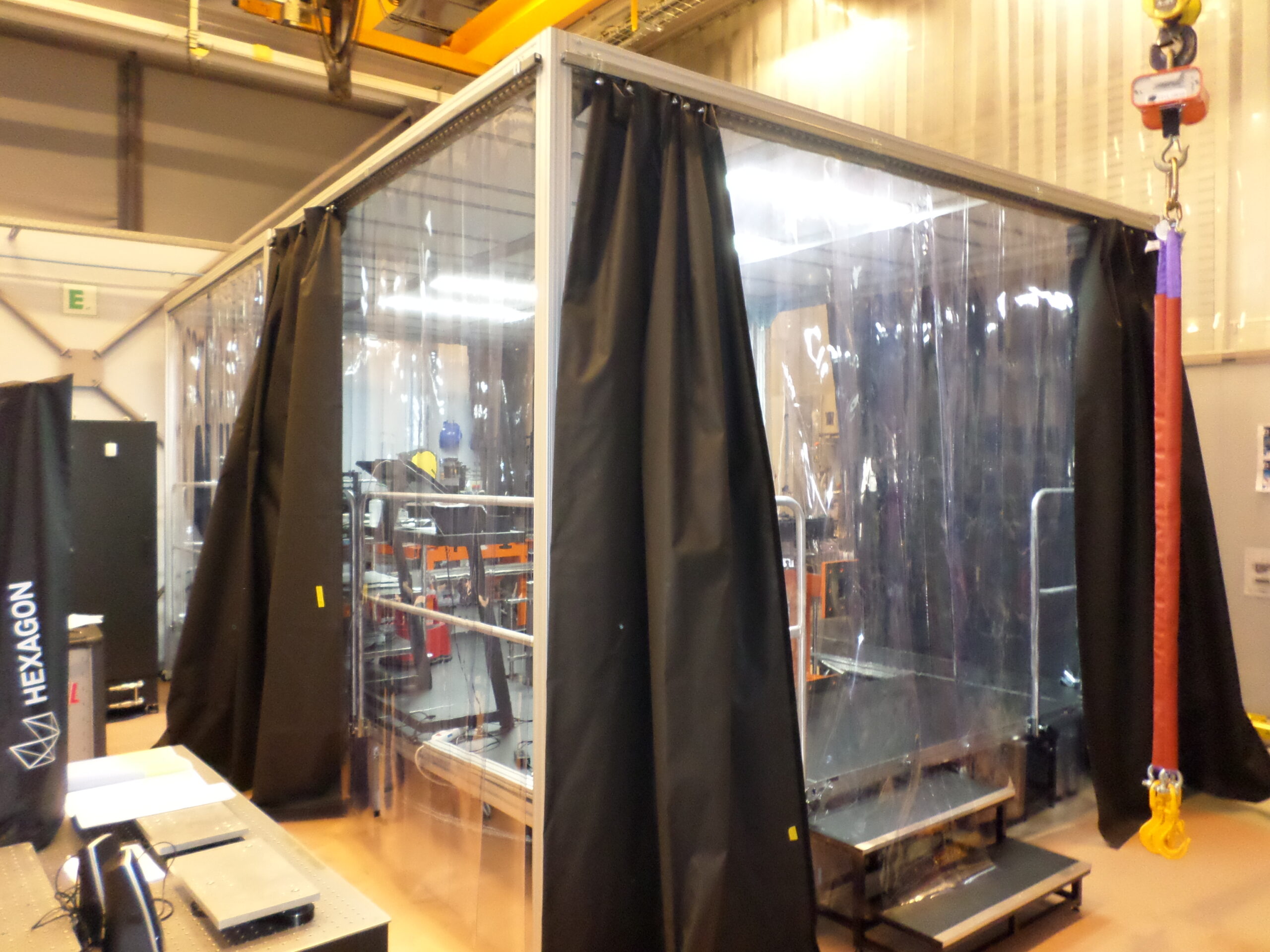
View of the integration area during work on the two 4MOST spectrographs (2022).
Optics Laboratory
The optical laboratory is equipped with a wide range of equipment necessary for our experiments and prototype setups, as shown below.
Precision Metrology
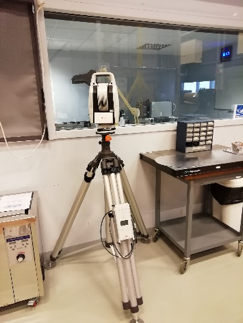
- LEICA AT403 laser tracker – 10 m maximum
- HEXAGON Aicon DPA photogrammetry – 500x500x50
- HEXAGON 8520 absolut arm – maximum 2 m

These three instruments operate using the same software. They were funded by the LabEx Institut Lyonnais des Origines LIO (ANR-10-LABX-0066).
Cryostat
- Cryocooler Diameter 1 m, Height 0.7 m, to be increased to 1 m in 2019. It allows cooling down to 30K with an accuracy of a few mK. It was funded by the LabEx Institut Lyonnais des Origines LIO (ANR-10-LABX-0066).

Instruments
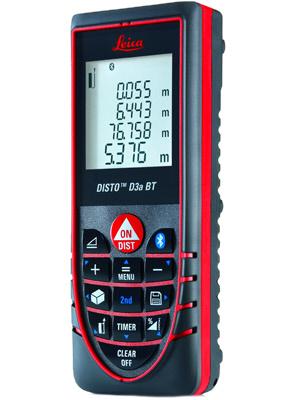
- Leica Disto D3aBT laser distance meter
- Zygo Verifire XP/D interferometer
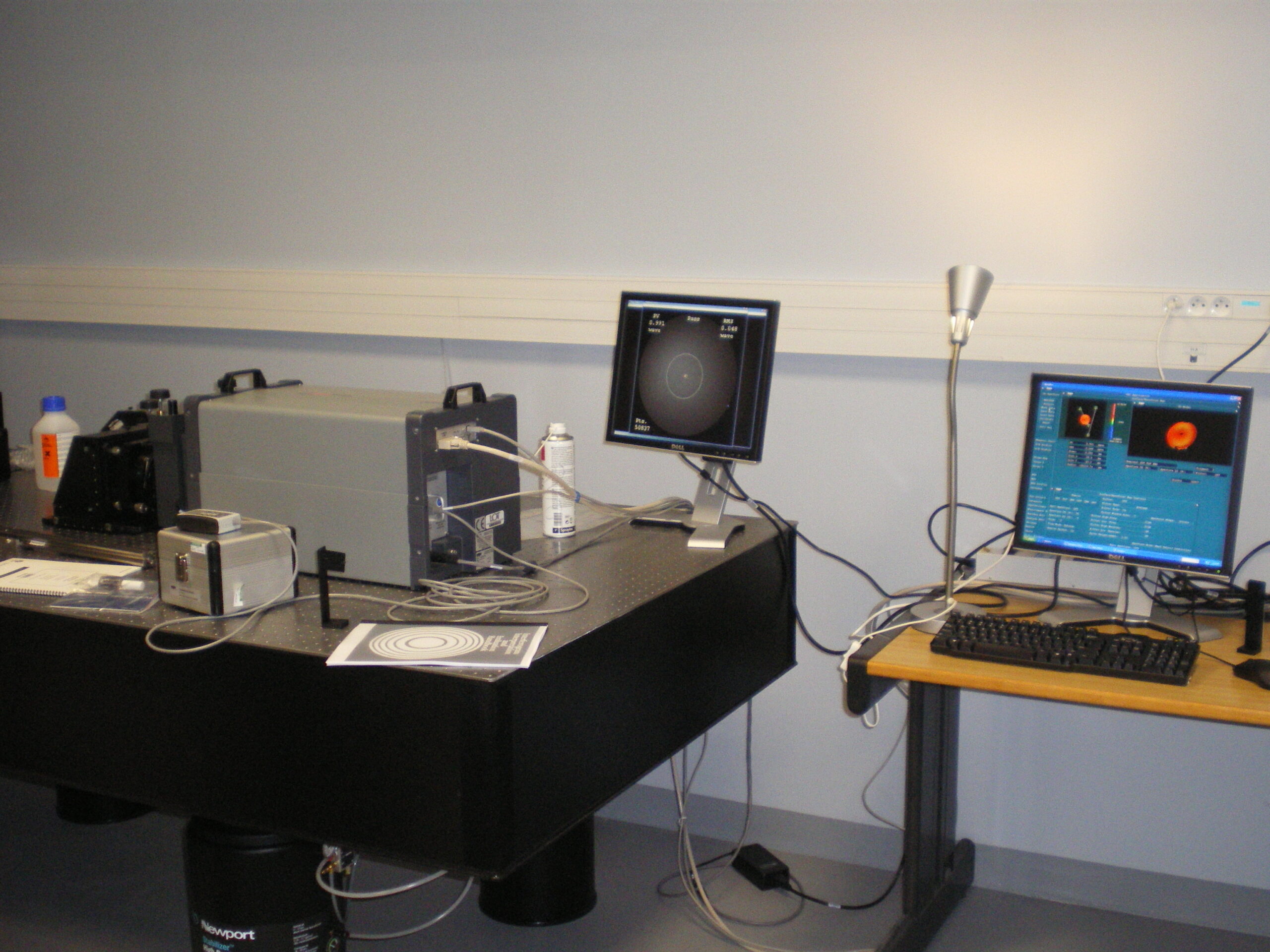
- Portable interferometer for wavefront measurements in cryogenic environments.
- Vertical profile projector: ORAMA 500, 500mm screen, episcopic and diascopic modes, 10x, 20x, 50x, 100x objectives, 150x25mm stage, micrometer screws
- Binocular magnifier
- Optical microscope
- Theodolite
- Autocollimator (Microcontrôle)
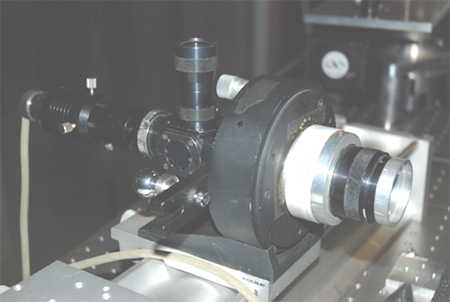
- Moller Wedel FAKG 300/40/14.7 MDD autocollimator, equipped with a light source, focal length = 300 mm, Eyepiece focal length = 14.7 mm, Effective diameter: 26 mm, Accuracy: 3.4 arcseconds

- Brunson alignment telescope
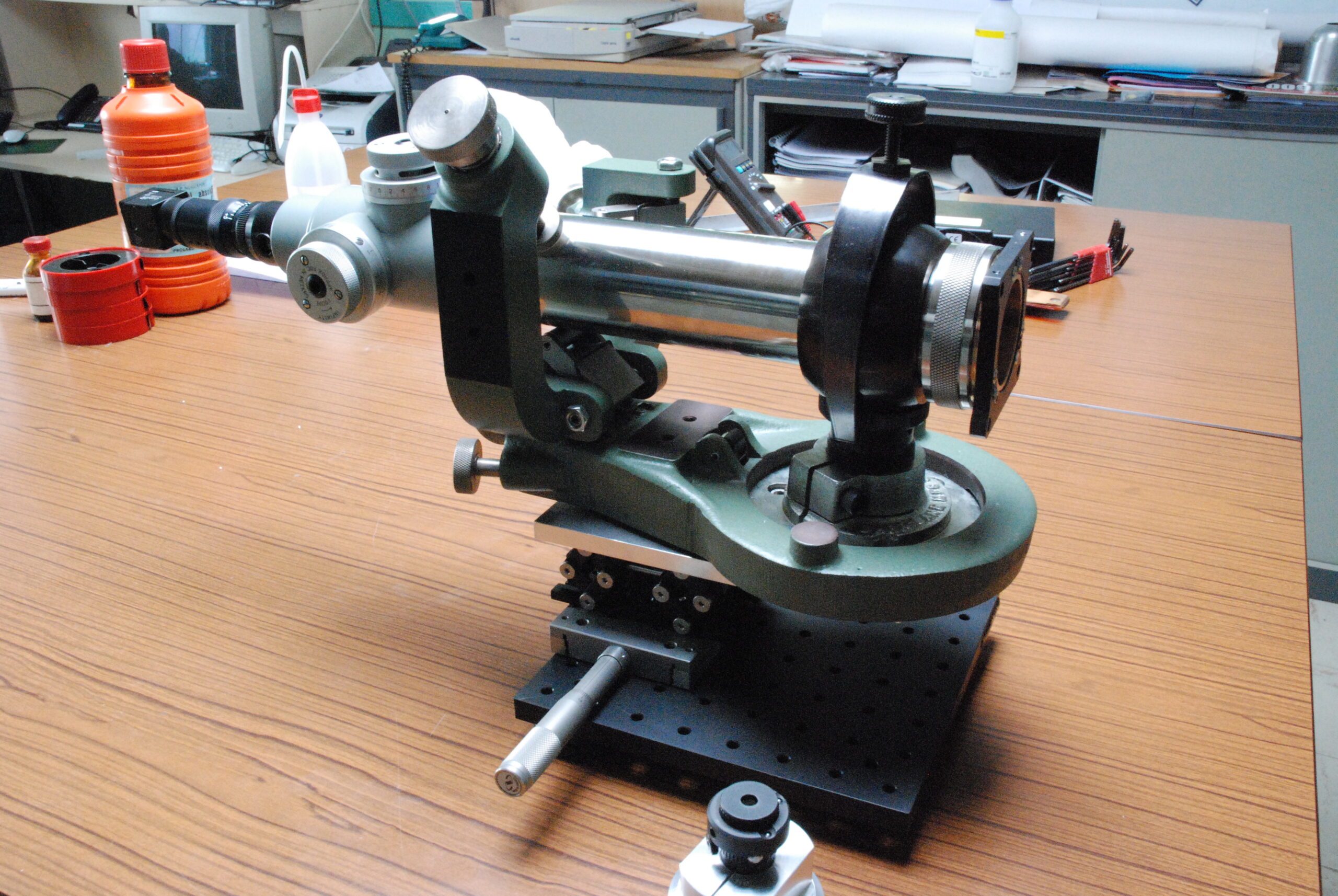
- Collimator (Lambda/20)
- Monochromator + plane gratings
- Lot-Oriel 8″ integrating sphere
Detection
- Stanford Research SR830 dual-channel synchronous detector

- Apogee AP2E CCD camera
- HISYS 22 camera
- Amplified Si photodiode
- Nikon D80 Digital Camera
Light sources
- Two He-Ne lasers
- Spectral lamp (Mercury and Xenon)
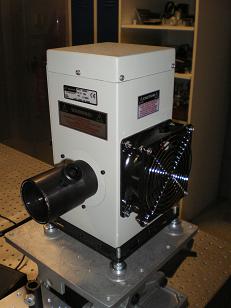

- Halogen lamps
- Calibrated white lamp (luminous flux and spectrum)
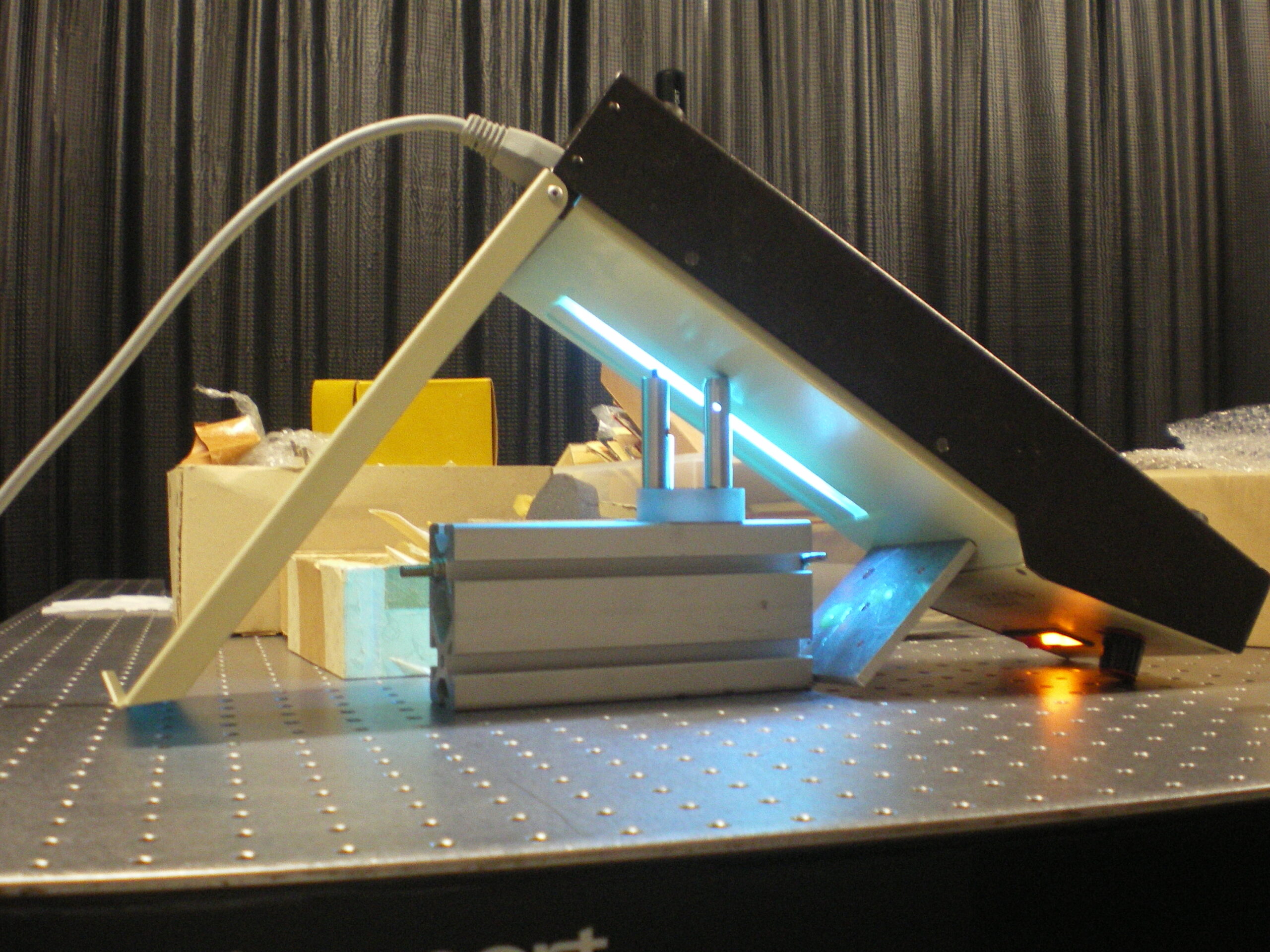
- UV curing unit for adhesive polymerization
Optical components
- Beamsplitter
- Achromats
- Filters, interference filters
- Biconvex, cylindrical, and prismatic lenses…
- Various prisms
- Fabry-Perrot
- Flat, concave, convex, spherical, and parabolic mirrors…
- Beam expander (632.8 nm)
- Objectives
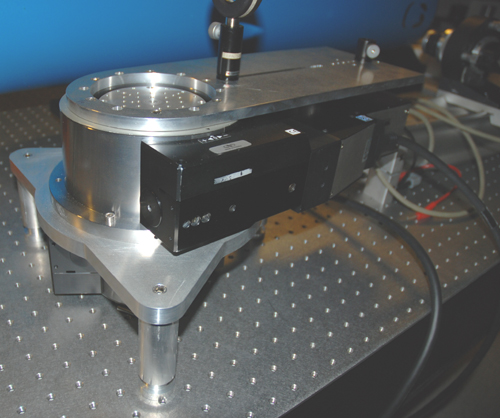
PC-controlled motorized micropositioning
- Three linear axes (Newport)
- Two rotary axes (Newport)
Various accessories
- Pillars, translation and rotation stages…
Environment
- 5 optical tables, one of which is equipped with a Class 100,000 laminar flow hood
- ISO 6 and ISO 5 laminar flow hoods
Software
- LABVIEW 8.2
- Pcdmis Pro
- Zemax
- MaximDL
High-precision metrology
Metrology Instrument Combinations
CRAL has four high-precision metrology tools. This enables it to carry out manufacturing, alignment, integration, and testing for the instrumentation of large telescopes, notably for the HARMONI/ELT-ESO all-sky unit and the 4MOST/VISTA-ESO low-resolution spectrographs.
These four metrology tools can be combined since they use the same Spatial Analyzer® data processing software.
- Hexagon Laser Tracker
The Leica Absolute Tracker AT403 Hexagon allows for the measurement of large volumes up to 100 meters, with a minimum measurement distance of less than 0.8 meters and an accuracy of ±15 µm + 6 µm/m. The Laser Tracker operates either on a tripod or on magnetic bases. Several 7/8-inch, 0.5-inch, and 1.5-inch spherical mount reflectors (SMRs), combined with various mounts for circularity/centering, flatness, and angle measurements, are available.
- Hexagon Metrology Arm
The Hexagon Absolute Arm 8520 allows for the measurement of opto-mechanical objects with an accuracy of ± 11.5 µm over a radius of 1000 mm. It includes a magnetic base and other mounts that can be directly integrated into an experimental setup. Various contact sensors are available with 15, 6, and 3 mm balls, including a tactile trigger sensor and sensors with 45° and 60° angles in different lengths.
A contact sensor that positions a 0.5-inch reflector from the laser tracker system allows for the coupling of a portable measuring arm and a laser tracker system.
- TESA Coordinate Measuring Machine
The coordinate measuring machine is a Tesa Micro Hite 3D with an accuracy of ±1.5 + 4L/1000 μm (L in mm) for a measuring volume of 460 x 510 x 420 mm. It allows for quick and easy measurement of any common geometric feature. Suitable for any user and easy to learn, it is the ultimate workshop tool.
- Hexagon DPA Photogrammetry
The DPA (Digital Photogrammetric Assembly) is a digital photogrammetry system based on a Canon EOS 5DS portable digital camera – 35 mm zoom, which allows for manufacturing inspections without the need to laboriously transport the parts to be measured to the measuring machine. It offers maximum flexibility in confined or hard-to-reach areas. Thanks to a wide range of targets, adapters, and calibration bars, image capture and the delivery of measurement results take just a few minutes using AICON 3D Studio software. Measurement accuracy is 5 µm.
- SpatialAnalyzer® (SA) Software
SpatialAnalyzer® (SA) from New River Kinematics (NRK) is a portable metrology software solution for our instrumentation applications. SA is independent of the measurement instrument. In fact, it is used with the four metrology tools listed above that are available at CRAL. It is a 3D graphical software platform that facilitates data analysis, fitting, comparison with a CAD model, automation, reporting, and reverse engineering for a wide variety of parts and tooling.
HEXAGON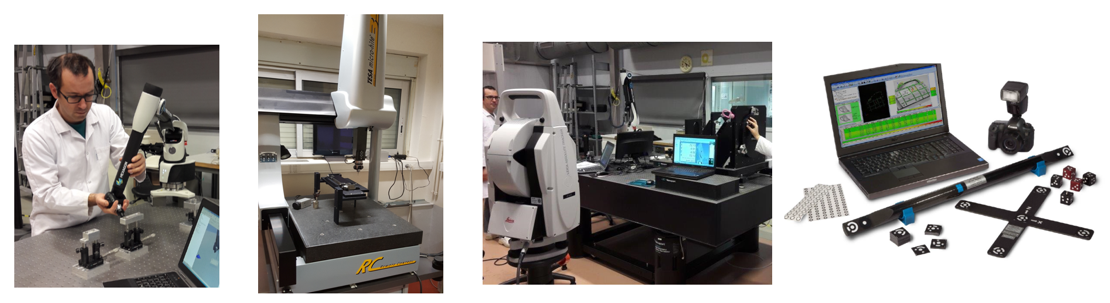 Case Study: Lyon Astrophysics Research Center. HEXAGON visited CRAL for a case study. The company published its study, “Beyond the Stars with Hexagon Measurement Instruments – Absolute Arm, Leica Absolute Tracker AT403, AICON DPA, and TESA instrument in the service of astrophysics research" on its website.
3D printer
The CRAL Instrumentation Division has an Ultimaker S5 3D printer with a build volume of 330 x 240 x 300 mm, which is already capable of producing a wide variety of parts
- Benefits
Today, the value of a 3D printer for the Instrumentation Division is clear. It enables the production of functional parts: covers, shims, masks, knurled screws, rings, barrels, housings, and dovetail joints for prototypes, test benches, and even components for instruments. We can create shapes that would otherwise be impossible to machine, and advancements in extrusion materials have led to parts that perform well in terms of strength, precision, degassing, and surface finish. This machine aids our design process by enabling the development of prototype parts; specifically, to assess their volume and ergonomics and to improve the design. Owning a 3D printer provides autonomy and greater responsiveness.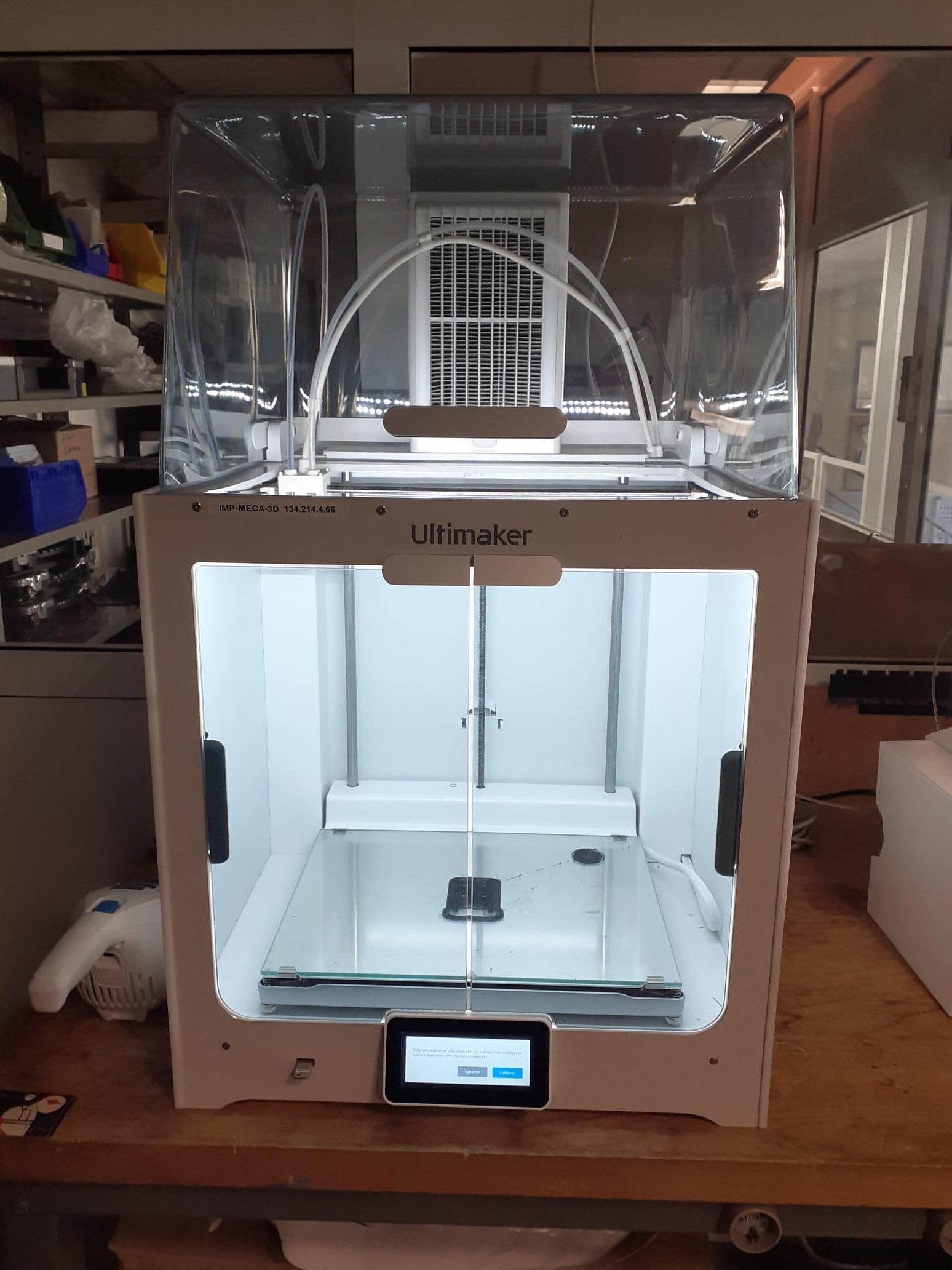
- Printer Specifications
The printer features dual extrusion (2 nozzles), allowing for fine layers of 20 μm using 2.85 mm diameter filaments. Nozzles of various diameters are available. With its 500W power, it can reach various melting temperatures ranging from 110 to 280 °C, allowing for the extrusion of different materials. The heated bed ranges from 20 to 140 °C.
- Materials
The printer allows us to print with a variety of high-performance materials: PLA Tough (Polylactic Acid), ABS (Acrylonitrile Butadiene Styrene), Nylon, CPE (Copolyester), CPE+ (Copolyester), PC (Polycarbonate), natural PP (Polypropylene), TPU 95A (Thermoplastic Polyurethane), PVA, GF30-PA6 X-strand, PVA, Breakaway (Polyurethane & Polylactic Acid), PETG.
Certain material blends are also possible.
- Implementation / Software
Implementation is quick and simple; the Instrumentation Division’s 3D CAD software (Inventor) generates STL files, which are then used with the open-source software Cura to create the ISO file that controls the printer.
- Environment
Its enclosure helps maintain the chamber temperature and prevents parts from warping during printing. In particular, it improves the printability of the materials. This enclosure also filters out 95% of ultrafine particles to preserve air quality and protect staff health.
- Photos of parts produced at CRAL
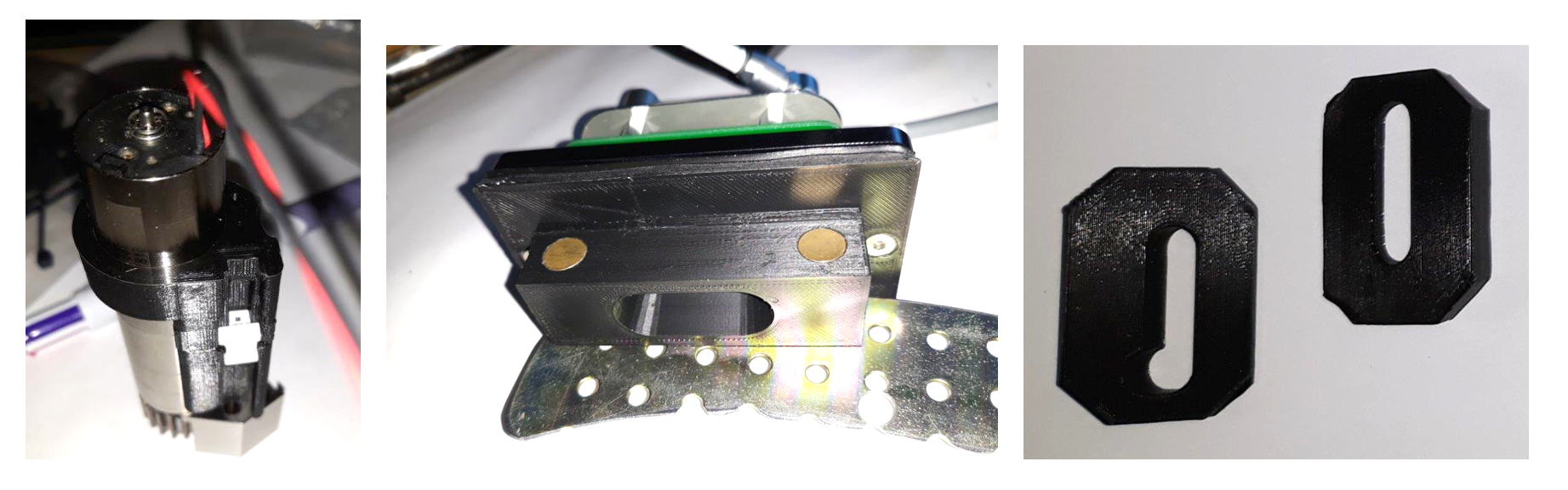
Photos of parts produced at CRAL for the 4MOST/ESO-VISTA
instrument Left: Motor mount and Focus encoder; Center: Calibration LED mount prototype; Right: Slit box clamping prototype