AIRI Team
Research Areas
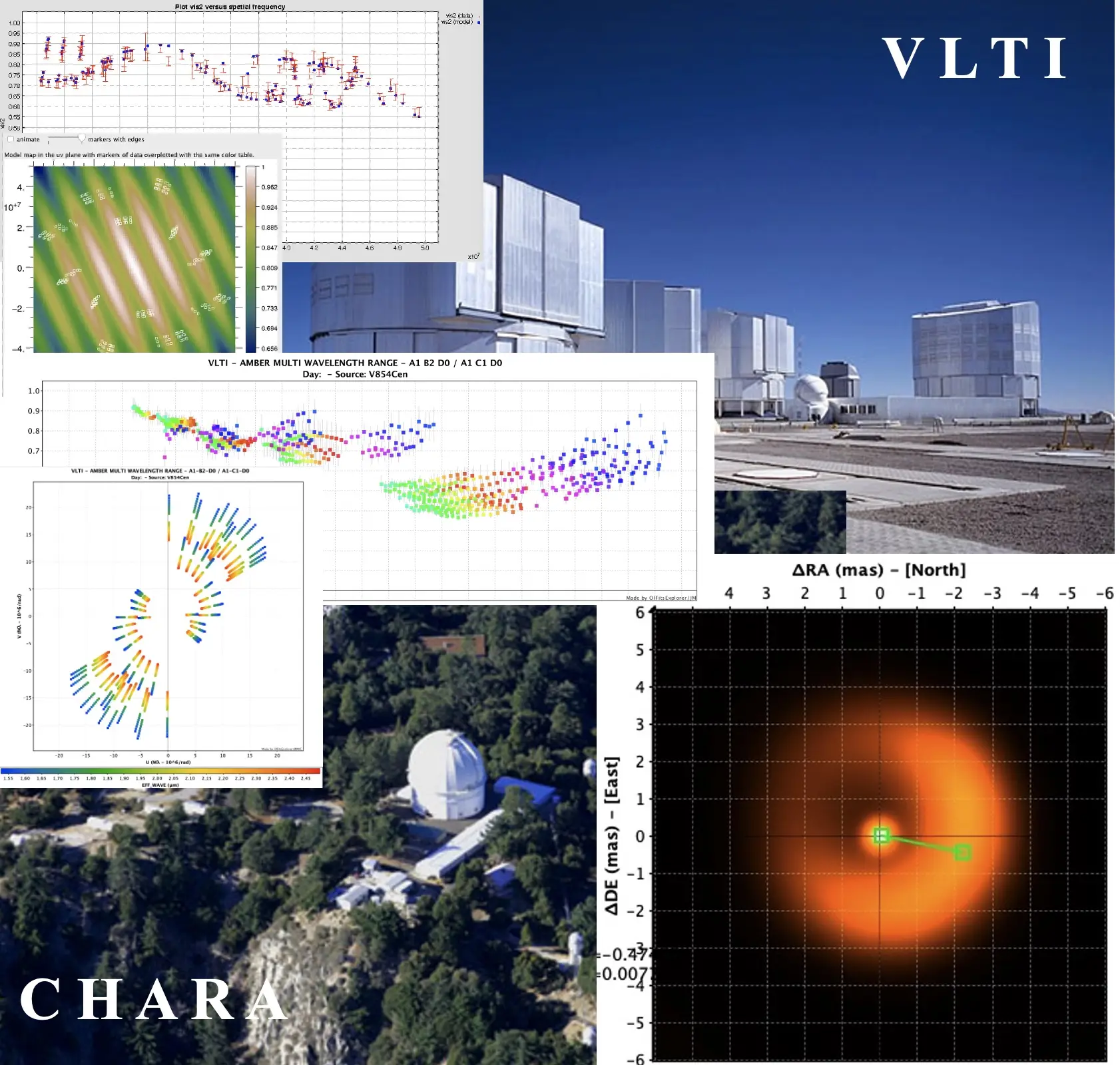
The AIRI team (Astrophysics and Imaging at Interferometric Resolutions) focuses on high angular resolution (HRA), ranging from R&D in instrumentation and signal processing to the astrophysical use of HRA instruments and the modeling of observed objects. Its main areas of investigation are adaptive optics, optical interferometry, data science in the fields of imaging and modeling, and the detection and characterization of exoplanets.

Adaptive Optics
- Optimization of wavefront analysis
- Optimization of wavefront reconstruction and control
Optical interferometry
- Software development for model fitting and image reconstruction using optical interferometric data
Data science
- Inverse problem approaches applied to OA, interferometry, and IHD
Astrophysics
- Detection and characterization of exoplanets and circumstellar environments
Strong involvement in National Observation Services related to High Angular Resolution
- Namely SNO5 MOIO and SNO3 SUV of the JMMC cluster for optimal operation of optical interferometers open to the community, SNO2 GRAVITY+/VLTI for the implementation of the GRAVITY instrument upgrade, and SNO5 HCDC dedicated to processing data from the SPHERE/VLT instrument (high-contrast imaging and exoplanet spectroscopy).
Researchers
- Isabelle TALLON-BOSC, Head
- Olivier FLASSEUR
- Maud LANGLOIS
- Ferréol SOULEZ
- Michel TALLON
- Éric THIÉBAUT
Doctoral students
- Théo SANTOS
- Hanh TRAN THJ MY
- Valentin FONTENEAU
Contract Researchers
- Clémentine BÉCHET-PEREZ
Associate researchers
- Laurence DENNEULIN, EPITA
- Foamie K. THETPRAPHI, Thailand Univ.
Contract Engineers and Administrative Staff
- Antoine KASZCZYC
- Clément SCHOTTE
- Francesca REBASTI
Internal staff
- Magali LOUPIAS, Instrumentation Division
- Gil MORETTO, Instrumentation Division
Theses completed in the last 5 years
- Laurence DENNEULIN (10/15/2020) “Inverse Approach for the Reconstruction of Circumstellar Environments in Polarimetry Using the ESO/VLT SPHERE IRDIS Direct Imaging Instrument”
- Samuel THÉ (03/07/23) “Methods for object separation and deconvolution in images: applications in high-contrast astronomical imaging”
- Jules DALLANT (02/09/24) “Combining multi-epoch observations for exoplanet detection and joint estimation of their orbits in high-contrast direct imaging”
- Camille GRAF (07/09/24) “Nanometer-precision wavefront analysis for optical metrology and exoplanet detection via direct imaging”
Current projects
TAO – Toolkit for Adaptive Optics Systems
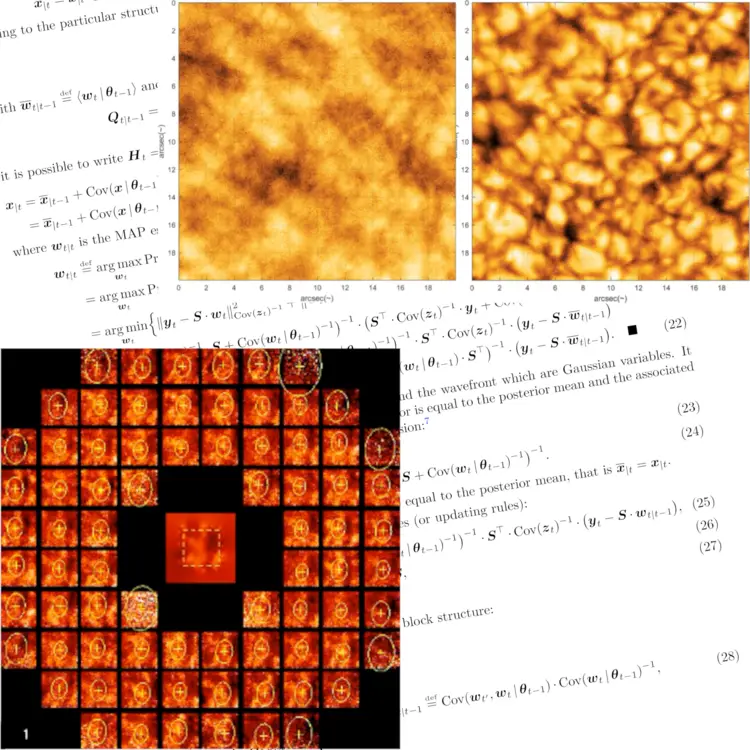
- based on the development of innovative strategies using an inverse problem approach for the control loop of an adaptive optics system
- implemented and tested on the adaptive optics systems of the THEMIS solar telescope, the EWACO evanescent wave coronagraph project, the laboratory’s XAO bench, and the SAXO+/SPHERE+ project.
Reference: e.g., “Closing the loop as an inverse problem: the real-time control of Themis adaptive optics,” Thiébaut E. et al., 2022
link_gateway/2022SPIE12185E..07T/doi:10.48550/arXiv.2311.17779
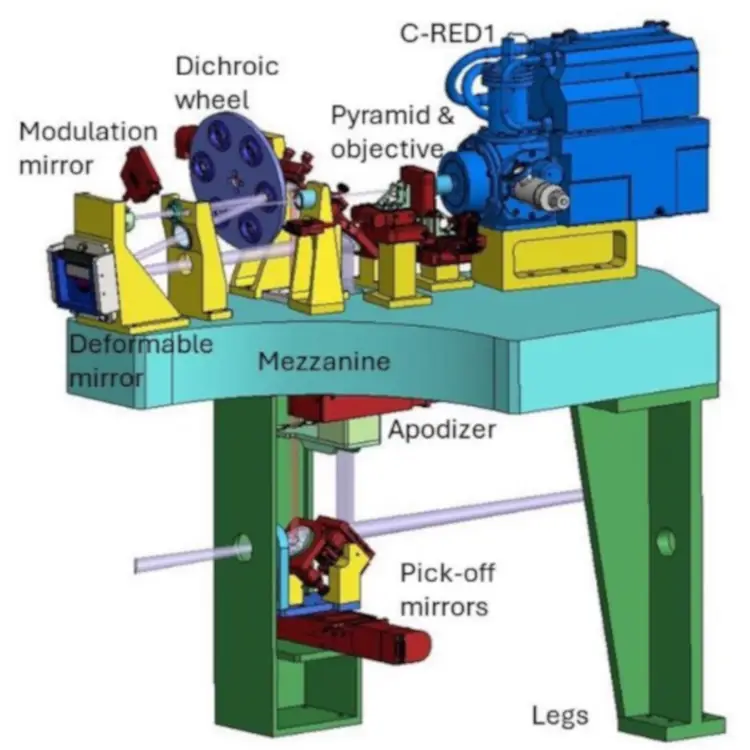
the second stage of the adaptive optics system, downstream from the first (SAXO), of the SPHERE/VLTI instrument dedicated to the detection and characterization of exoplanets, operating in the infrared at 3 kHz with a pyramidal analyzer. The team has various responsibilities in the project, which aims to boost SPHERE’s performance in terms of angular resolution and high contrast: SPHERE+ will notably be able to access the majority of the observable population of young giant planets.
Reference: e.g., “Numerical simulations for the SAXO+ upgrade: Performance analysis of the adaptive optics system,” Goulas, C. et al., 2024
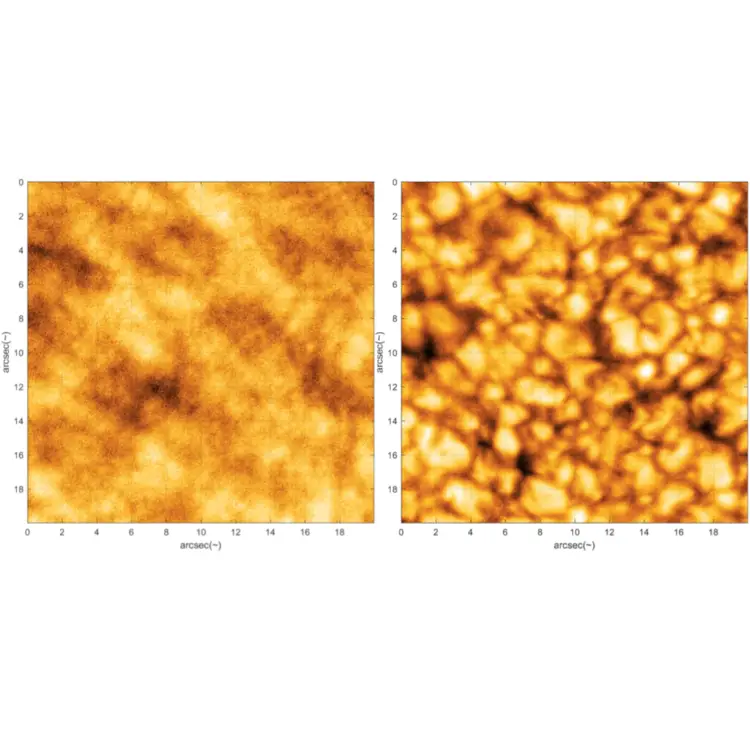
“Unsupervised and Predictive Control for Adaptive Optics.”
ANR project under the Origins PEPR program
The project (kick-off meeting on October 23, 2024) will develop new approaches to optimize adaptive optics control for astronomy and telecommunications. Our advances will be crucial for improving image quality in astronomy, pushing the limits of contrast for exoplanet detection, and minimizing signal loss in telecommunications.
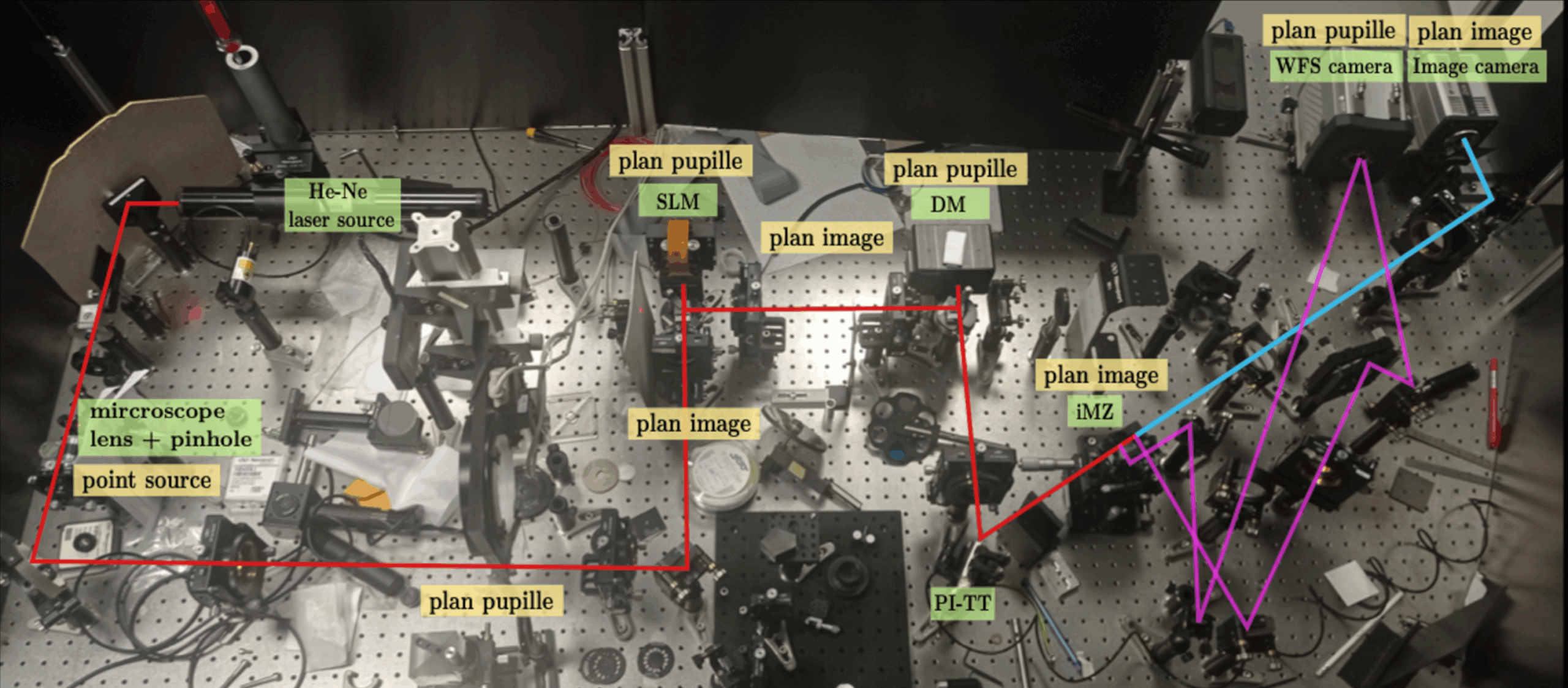
Wavefront Measurement and Control for Adaptive Optics
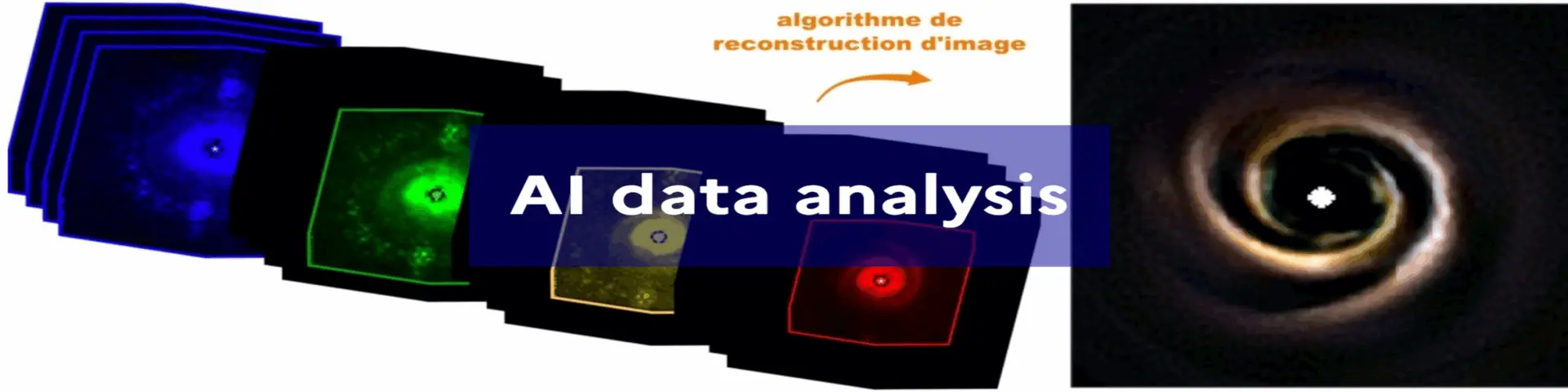
AI Data Analysis or Analysis of Astrophysical Observations Using Artificial Intelligence
ANR Project under the PEPR Origins Program
The project (kick-off meeting on September 6, 2024) aims to combine artificial intelligence with advanced signal processing techniques to jointly analyze multivariate measurements (spatial, spectral, temporal) by incorporating physics, instrumental models, and knowledge derived from archives of past observations. Particular emphasis will be placed on the automatic estimation of instrumental parameters and algorithms to improve the robustness of the processing, and on the characterization of uncertainties, sensitivity limits, and false alarm probabilities, which are essential for the astrophysical interpretation of the results—in this case, for the team’s high-contrast imaging work.
Investigating Morphology and Dust Properties Using Cutting-Edge Data Science
High-precision, lightweight, deformable silicon-based mirrors.
LIVE-MIRROR/EI
A real-time controller for adaptive optics.
Completed projects
Inverse Processing Methods in Live-Image Imaging.
Astrophysical breakthroughs achieved through the analysis of polychromatic interferometric data.
News
-
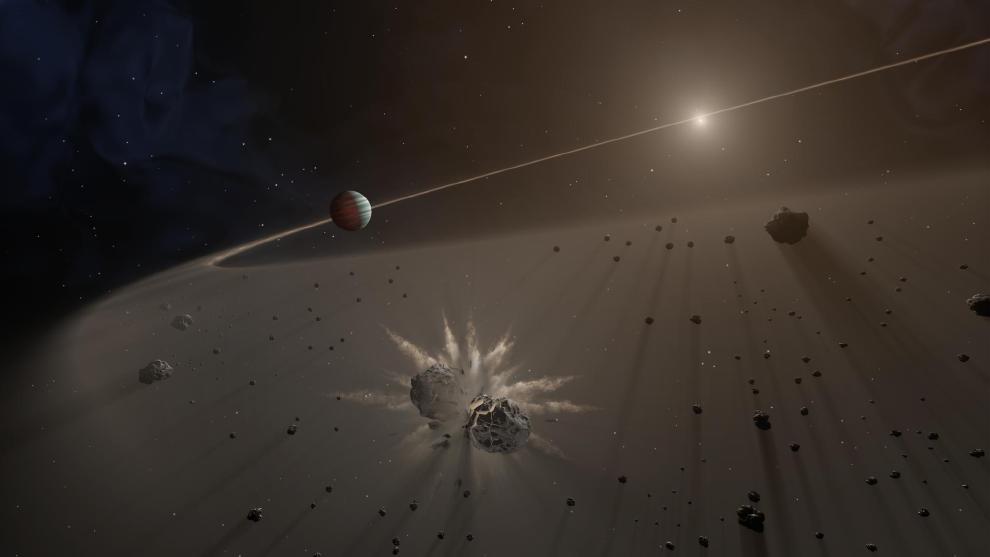
29 June 2025
James Webb Discovers Its First Exoplanet
-
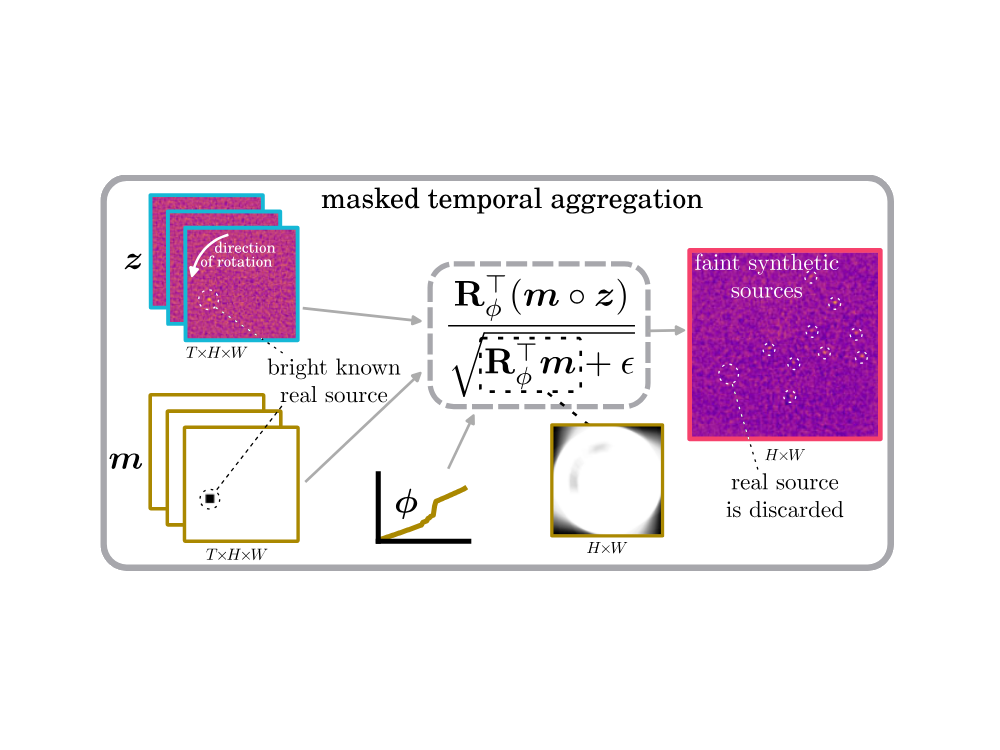
19 September 2024
MODEL&CO: Exoplanet Detection in Angular Differential Imaging Using Machine Learning Across Multiple Observations
-
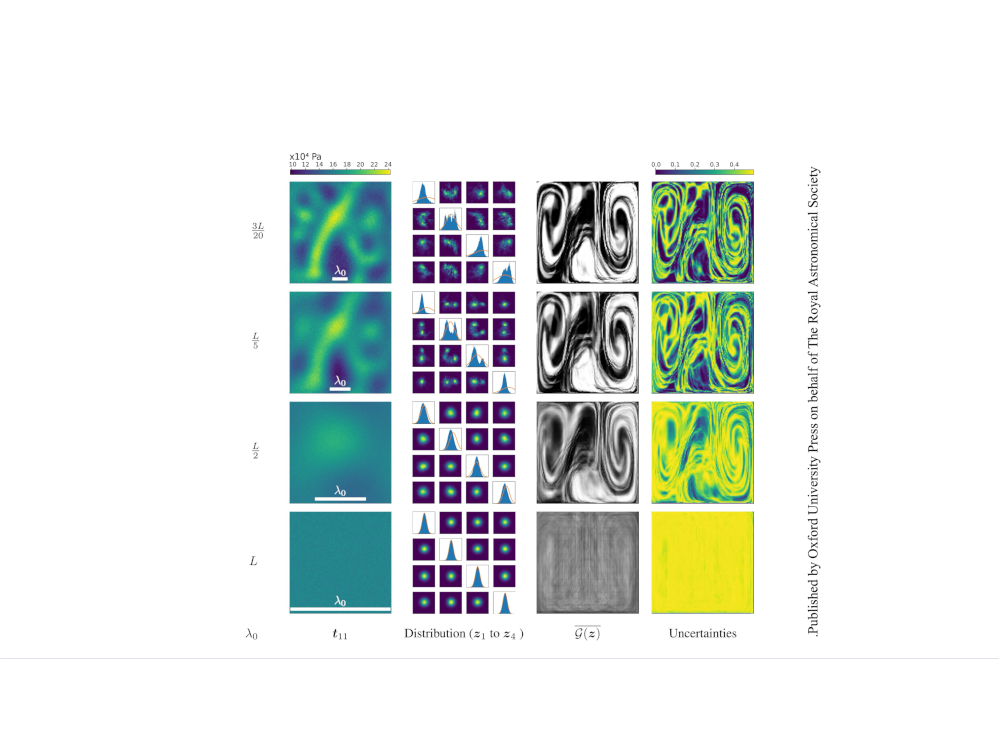
3 September 2024
Refining tomography using generative neural networks trained on geodynamic data
-
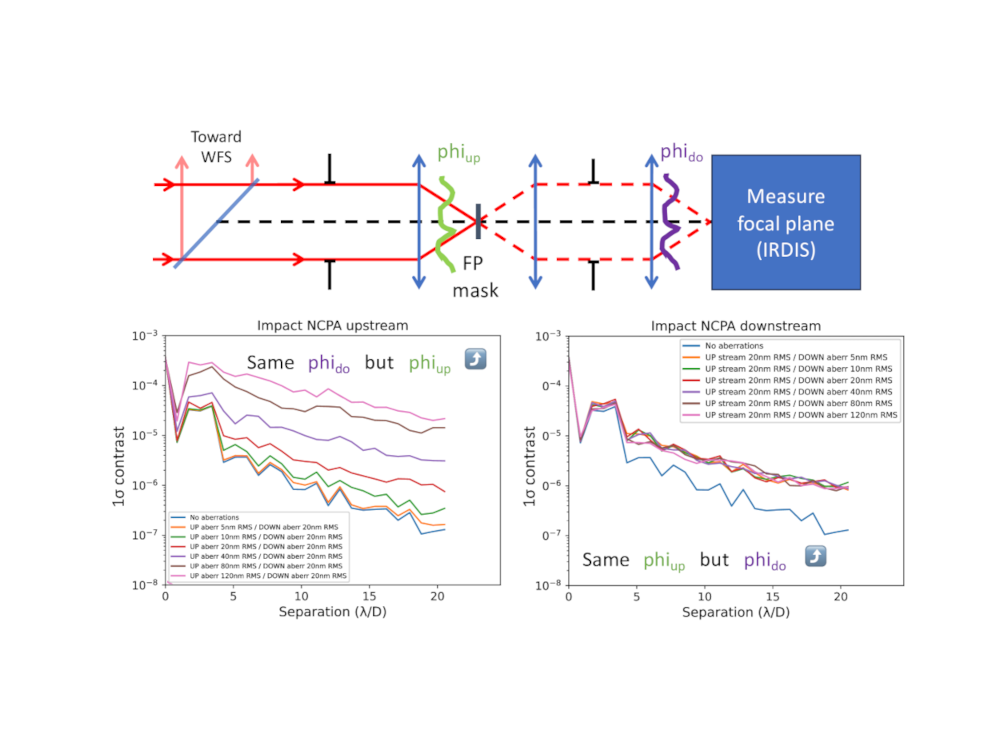
26 June 2024
Upgrading SPHERE with the second-stage AO system SAXO+: Estimation and correction of non-common-path aberrations