Scientific computing
Areas of Activity
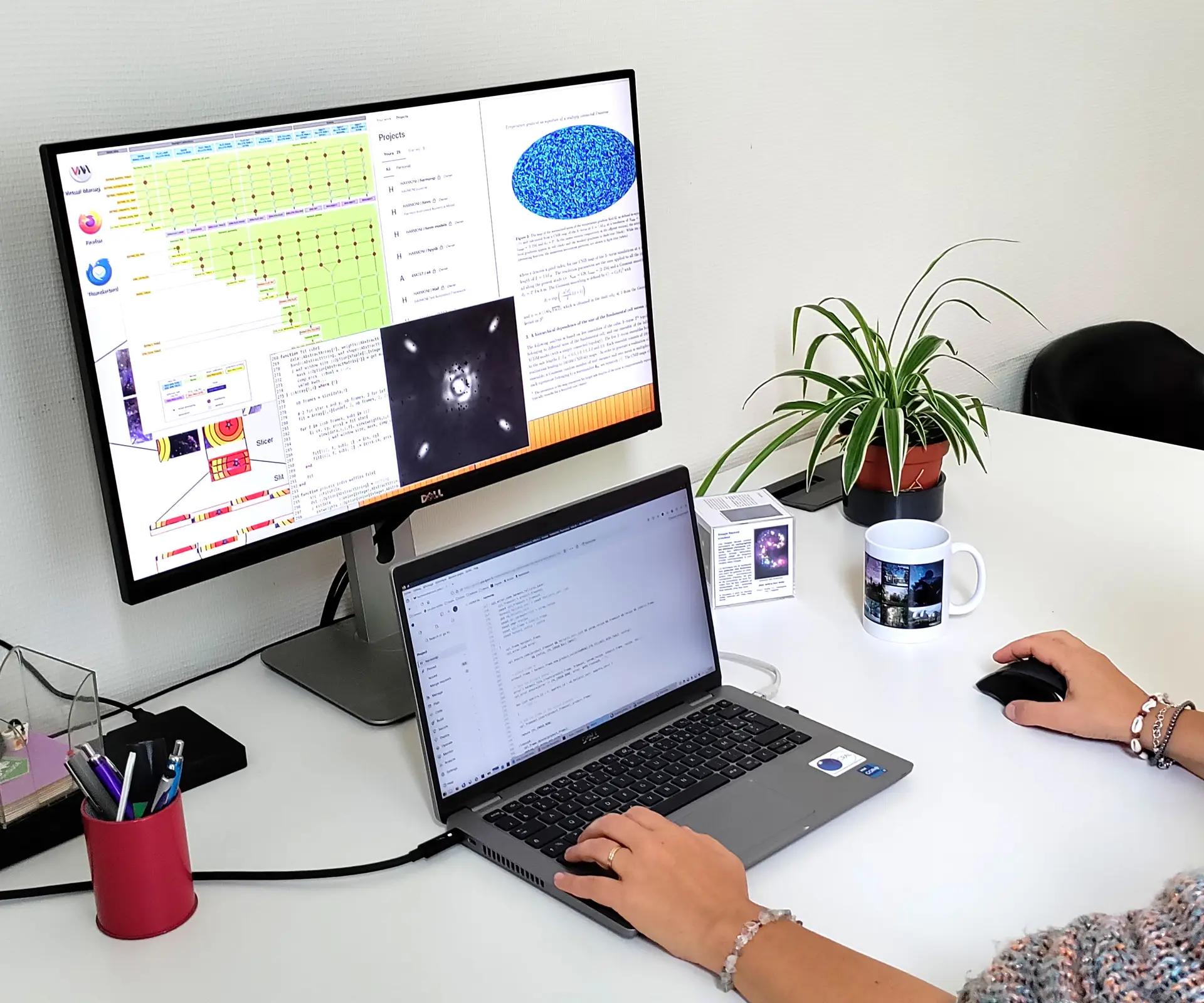
The CRAL Scientific Computing Division brings together technical staff whose expertise enables the successful completion of the software development projects described below, whether in support of instrument development, observational services, or research activities. Some scientific teams have their own specific areas of focus within Scientific Computing.
Instrument Simulator
An instrument simulator is a digital twin that replaces the astrophysical instrument during the construction phase, generating detector images from astrophysical scenes that are identical to those the future instrument will produce. This software is based on Fourier optics, which reproduces the path of light through the astrophysical instrument.
Data reduction
Data reduction software allows for the extraction of raw data from astrophysical instruments and the removal of instrumental and environmental signatures so that the data can be compared with data acquired by other instruments.
Data analysis
Analysis software enables the extraction of physical data capable of highlighting the physical processes at work.
Support for the Assembly, Integration, and Verification (AIV) Phase
This suite of software primarily supports opticians and systems engineering. It enables the validation of specifications and/or facilitates the alignment of optics during the assembly and integration phase.
Systems Engineering/Project Management
The division provides project management and software systems engineering services for various instrumentation projects.
Participation in EFISOFT
The division contributes to the national expert group dedicated to the control and command of ELT instruments.
Astrophysical Simulations
These involve numerical simulations of complex astrophysical objects or systems. The purpose of these simulations is to test theoretical hypotheses and scenarios regarding the evolution of these systems. 3D simulations of numerous astrophysical processes help us understand the importance and role of these processes in reproducing an observed phenomenon. These simulations can also have predictive power and inspire new observations. They are computationally intensive simulations.
Members
- Laure PIQUERAS, Head of the Division
- Théo BATTREL
- Simon CONSEIL
- Martin FRANCE
- Antoine KASZCZYC
- Aurélien JARNO
- Arlette PÉCONTAL
Former members
- Aubin MIELVAQUE (June 2025–November 2025)
- Nicola DOMENIS (09/2022 – 12/2023)
- Leo MICHEL-DANSAC (Jan 2016 – Sep 2023)
- Thomas BECHET (September 2019 – August 2022)
- Yannick ROEHLLY (Jan 2018 – Dec 2018)
- Martin SHEPHERD (Feb 2016 – Jan 2017)
- Jonathan LEGER (Jan 2016 – Sep 2016)
- Bernhard DORNER (Dec 2008 – Aug 2012)
- Dominique DUBET (1971–Oct 2011)
- Emeline LEGROS (March 2007 – March 2011)
- Aurélien PONS (Oct. 2009 – Dec. 2010)
- Pierre-Jacques LEGAY (July 2006 – April 2009)
- Xavier GNATA (September 2004 – December 2007)
- Emmanuel QUEMENER (Jan. 2006 – Dec. 2006)
- David MAGOT (Oct. 2005 – June 2006)
Current projects
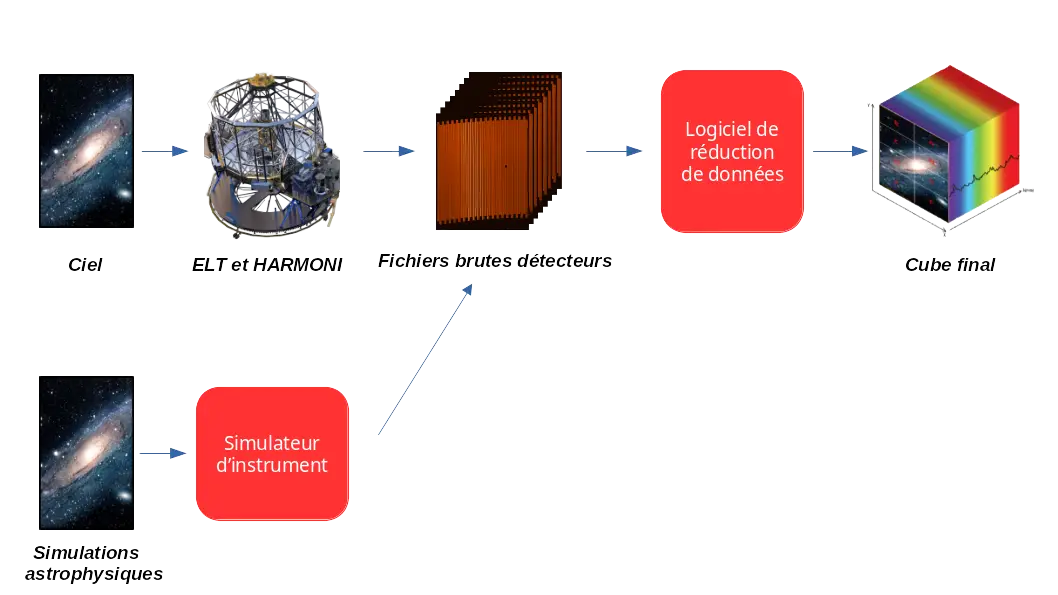
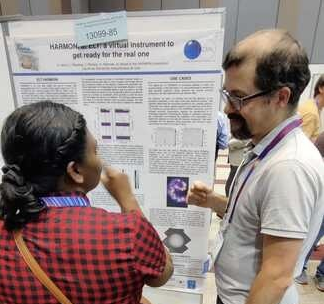
ESO-ELT/HARMONI is a full-field integral field spectrograph designed for the future ELT telescope. It is one of the first-light instruments. CRAL is responsible, in particular, for the scientific software, including the instrument simulator and the data reduction software. CRAL also has overall software system responsibility for the entire project.
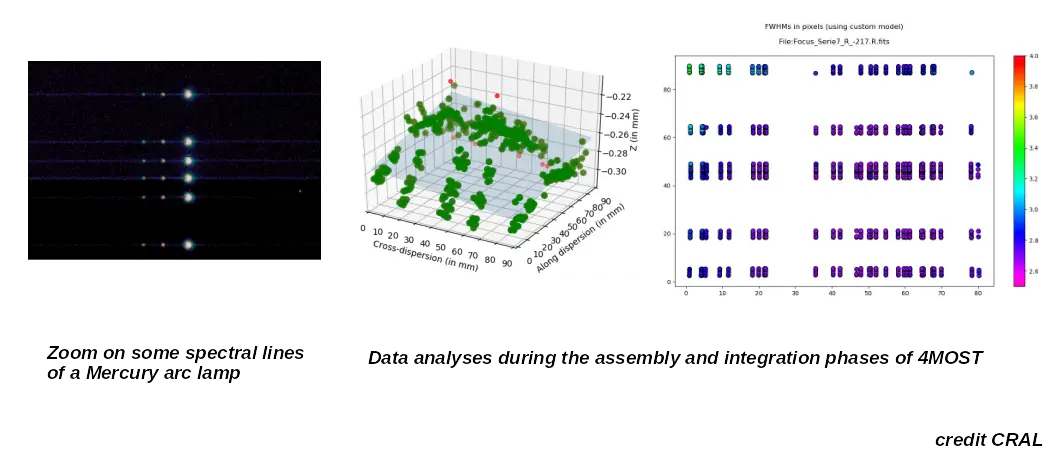
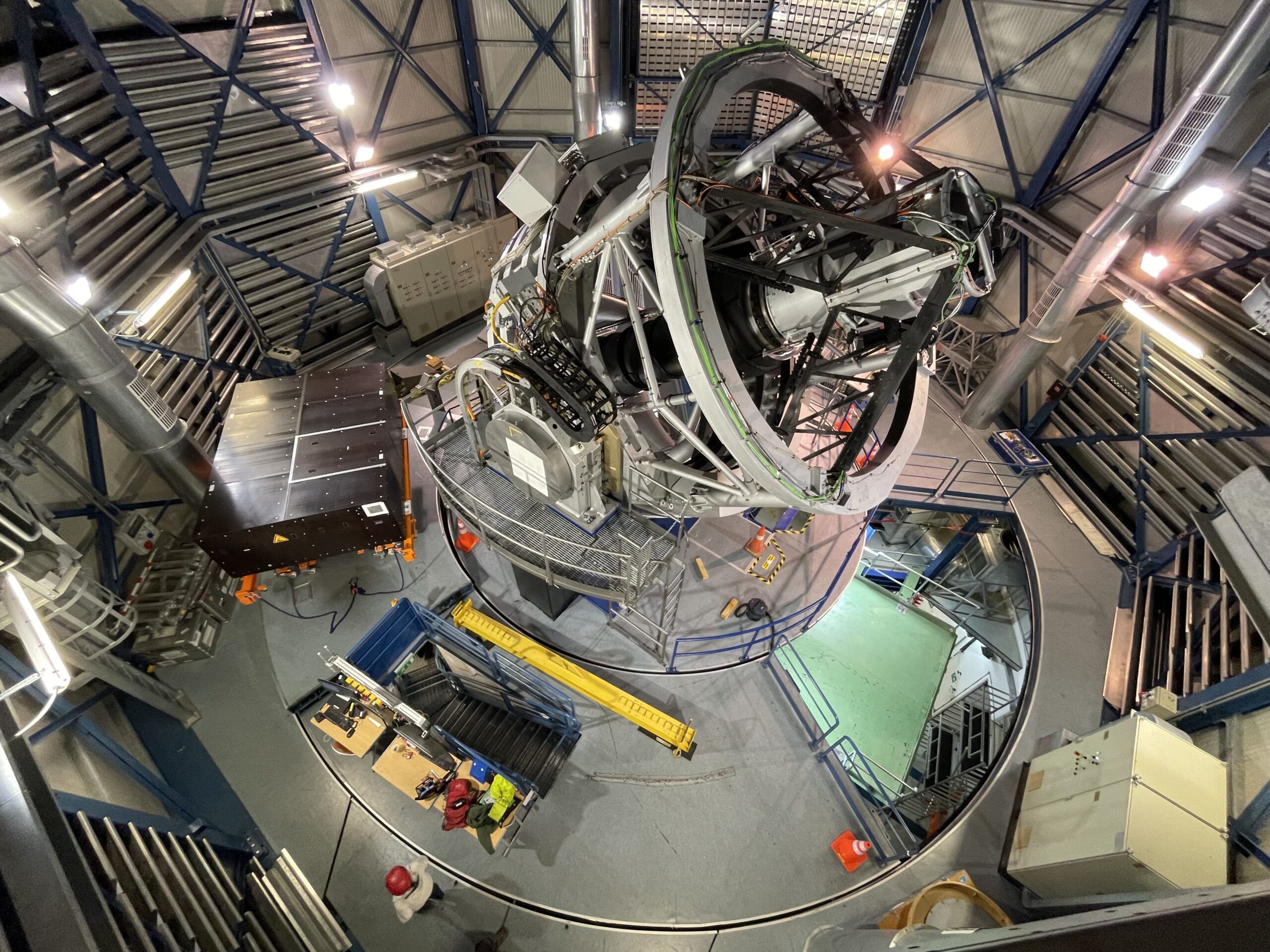
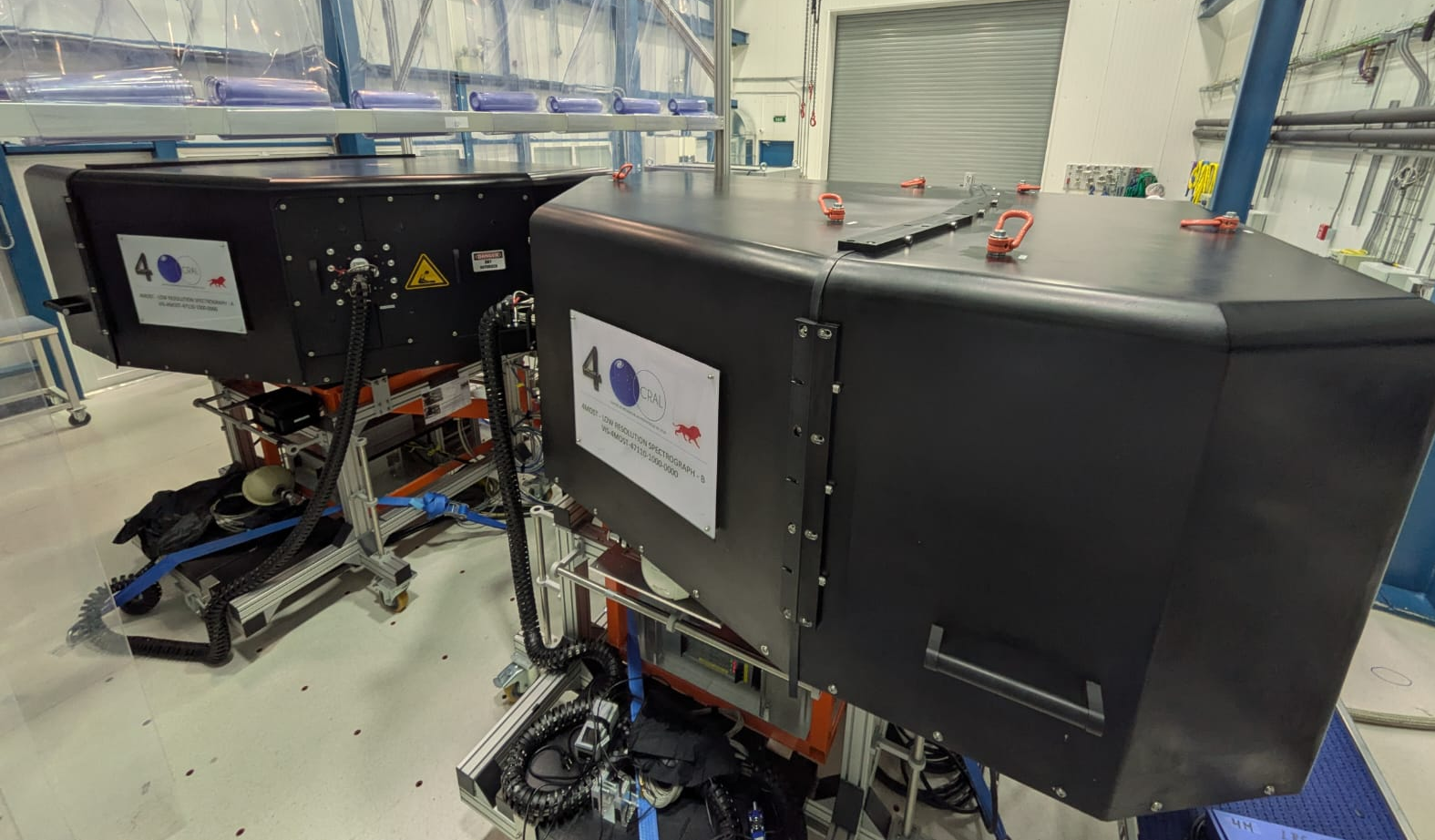
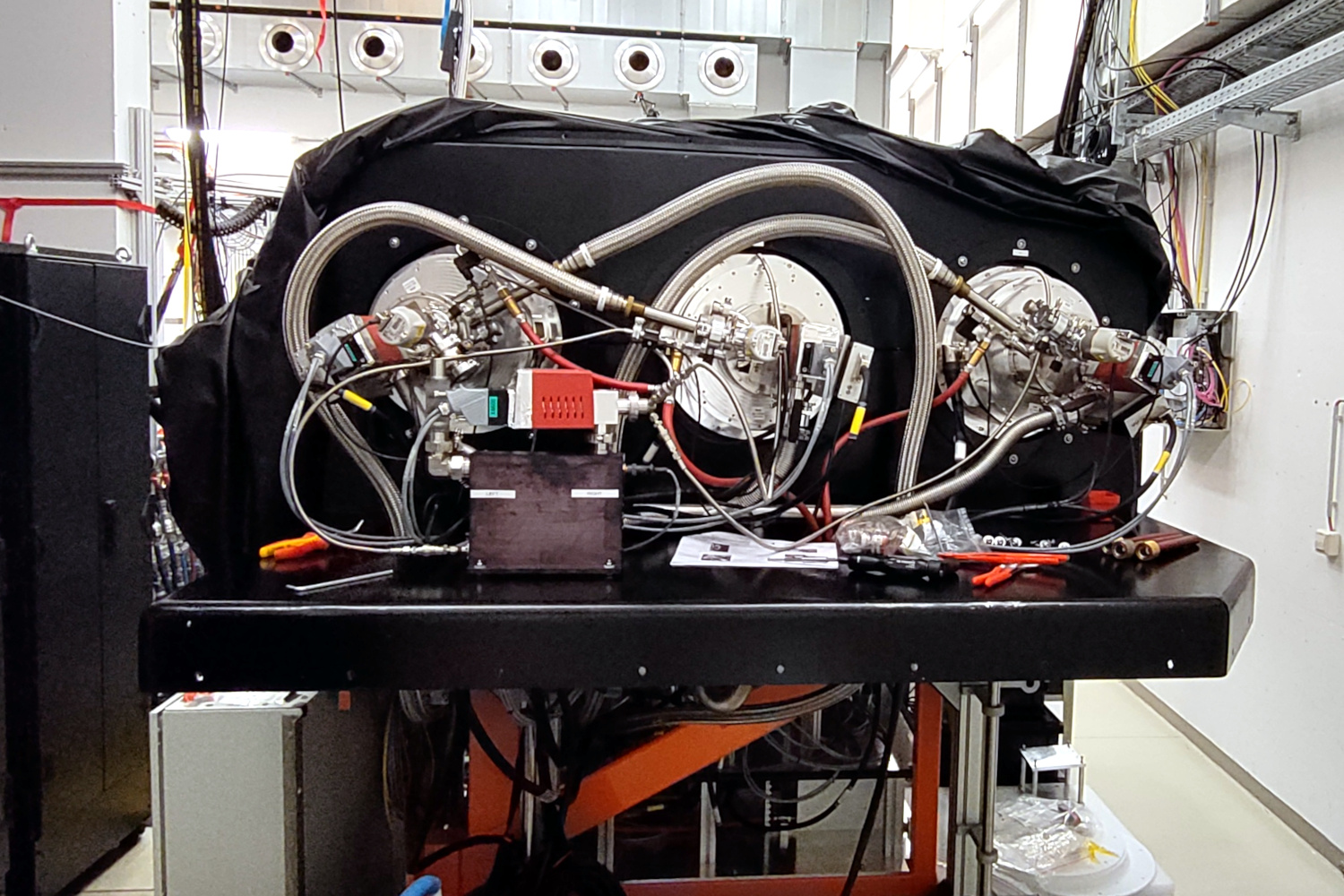
ESO-VISTA/4MOST is a multi-object spectrograph designed for the VISTA telescope (ESO-Paranal). The division provides software expertise to the optics team by developing routines for modeling the spectral instrument response and calculating criteria to verify technical specifications. It is also involved in supporting the AITs (electronics, software, detectors).
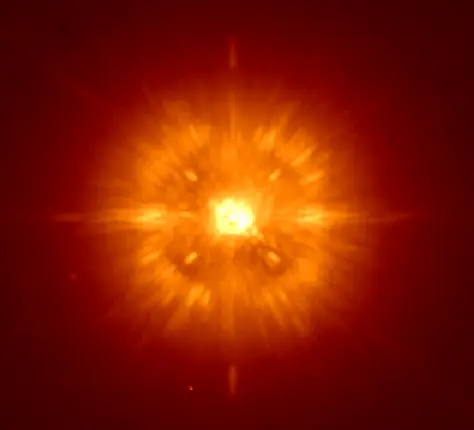
The goal of the ANR DDISK project is to study the morphology and properties of circumstellar disks in order to understand planet formation by analyzing all archived direct imaging data of circumstellar disks obtained using polarimetry and total intensity measurements in the near-infraredand visible light. The group is involved in the development and validation of software that optimizes the innovative data reduction algorithms developed by the AIRI team to maximize the capabilities of the SPHERE instrument, with the goal of deploying them optimally and automatically on a larger scale in collaboration with the SPHERE data center.
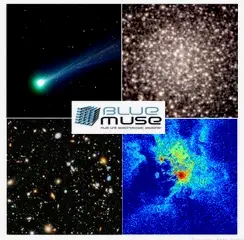
BlueMUSE is a third-generation instrument for ESO’s Very Large Telescope. It is a visible-light integral-field spectrograph based on the Multi Unit Spectroscopic Explorer (MUSE) concept but covering a field of view twice as large (2 arcmin²), blue wavelengths (350–600 nm), and a spectral resolution twice that of MUSE. The scientific applications covered by this instrument range from massive stars in our galaxy to the diffuse gas surrounding the most distant galaxies. The European consortium led by CRAL brings together institutes in France, Germany, the United Kingdom, Sweden, and Switzerland.
The Scientific Computing Division provides this project with support in terms of software system engineering and the software tools required for the assembly, integration, and testing phases. It also occasionally contributes its expertise in data processing and analysis to this project.
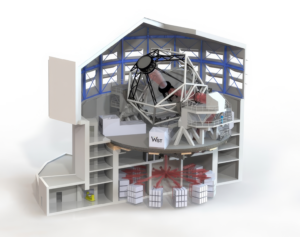
The WST (Wide-Field Spectroscopic Telescope) project is a concept study funded by the European Horizon program. This study focuses on a 12-meter-diameter instrumented telescope based in Chile capable of simultaneously operating a highly multiplexed multi-object spectrograph (30,000) with medium to high spectral resolution (MOS), as well as a giant panoramic integral field spectrograph (IFS) (3 x 3 arcminutes).
The WST is expected to yield exceptional results in most fields of astrophysics, including the nature and expansion of the dark universe, the formation of the first stars and galaxies and their role in cosmic reionization, the study of dark and baryonic matter in the cosmic web, the baryon cycle in galaxies, the history of the formation of the Milky Way and the dwarf galaxies of the Local Group, the characterization of exoplanet-hosting galaxies, and the characterization of transient phenomena, including the electromagnetic counterparts of gravitational waves.
As part of this study, the Scientific Computing division is responsible for the work package related to the management, processing, and analysis of data from the Giant Panoramic Field Integral Spectrograph.
Past Projects
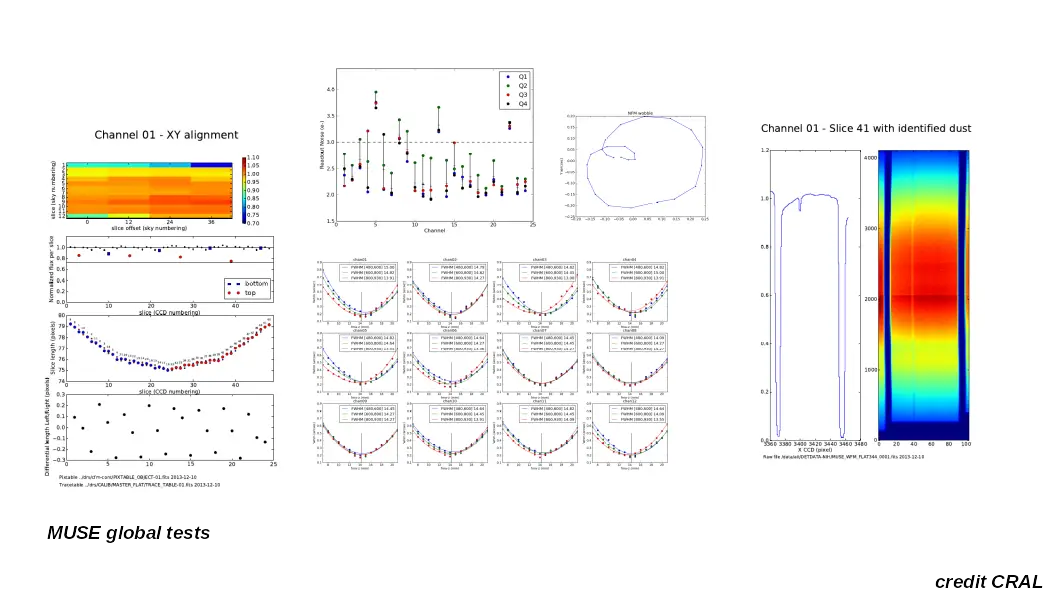
ESO-VLT/MUSE is a full-field spectrograph that has been installed at ESO’s Paranal Observatory in Chile on one of ESO’s large telescopes (UT4) since 2014. CRAL, through its Scientific Computing division, participated in this project by taking on various responsibilities:
– management of all software-related activities,
– instrument simulation software,
– certain modules of the control software (rapid field-of-view reconstruction, star detection, etc.),
– observation preparation software,
– participation in testing phases in Europe and Chile,
– automation of the optical alignment tool and development of associated software.
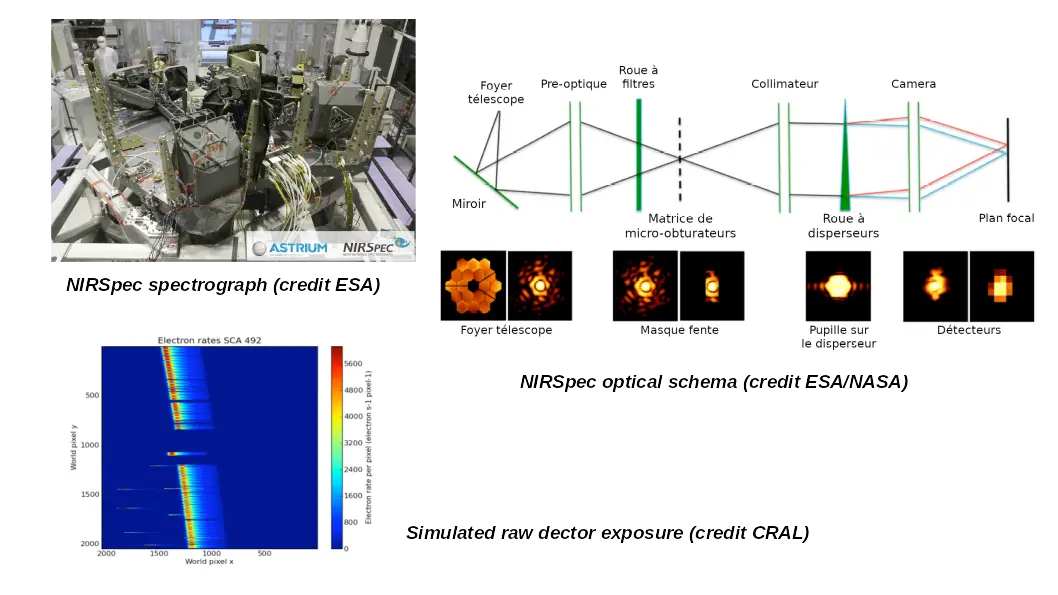
ESA-JWST/NIRSpec is one of the instruments on board the James Webb Space Telescope (JWST). Involved in the JWST/NIRSpec project since its inception, CRAL remained the only European institute directly involved in the project following the establishment of the contract with the industrial partner EADS-Astrium. Under this contract, CRAL provided scientific support to the contractor and was specifically responsible for:
- the instrument performance simulation software,
- performance and calibration aspects within the engineering team at EADS Space,
- liaison between the manufacturer and the ESA scientific team,
- supporting the manufacturer in developing object acquisition procedures and software for the rapid processing and visualization of instrument test and calibration data.
The division developed the instrument simulator and participated in instrument testing.
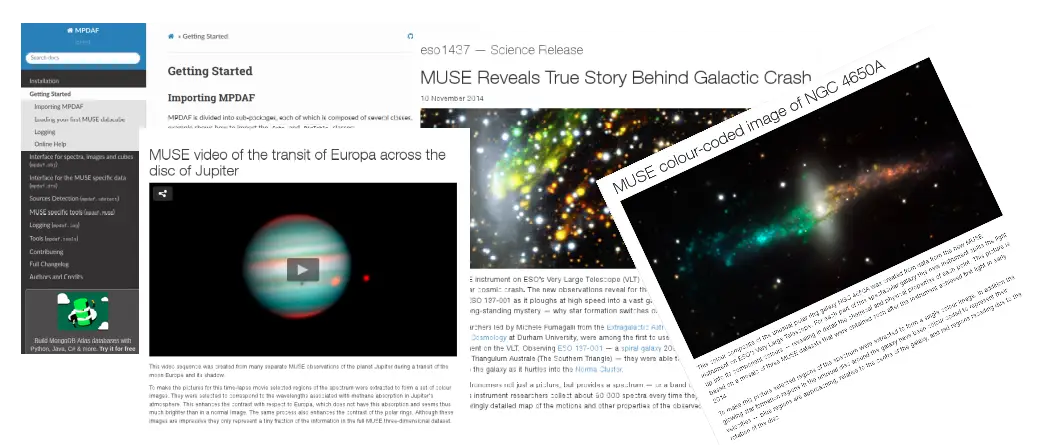
MUSICOS is an ERC Advanced Grant led by Roland Bacon, the principal investigator of the MUSE project from 2014 to 2019. This project brought together scientists and postdocs from seven laboratories to analyze MUSE data in order to better understand the evolutionary processes of galaxies. In this context, the center is involved in data reduction and analysis on the one hand, and in the development and provision of a dedicated Python framework (MPDAF) to facilitate data analysis on the other.
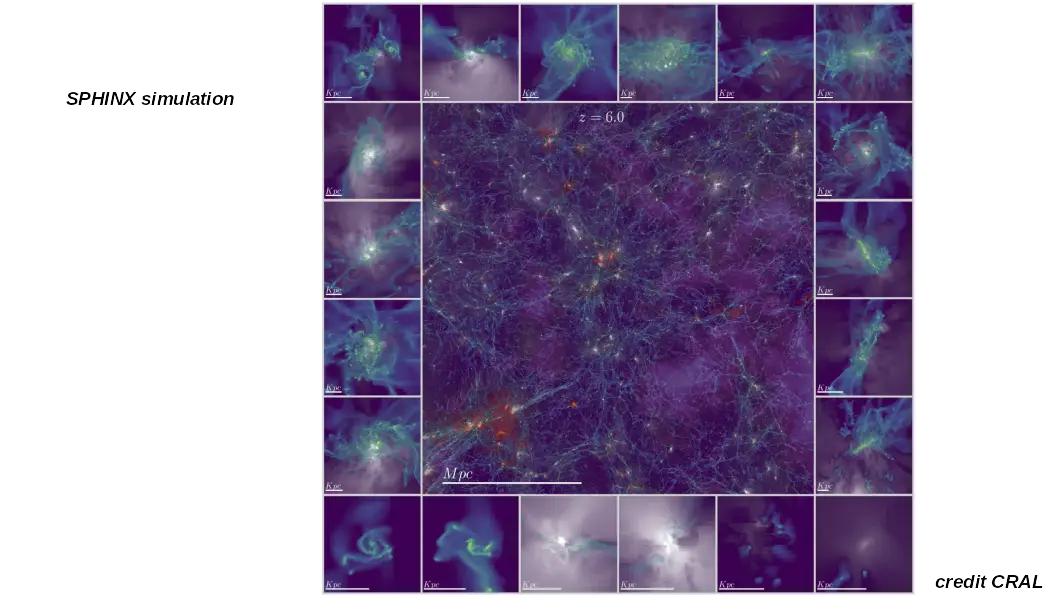
extraSim is a large-scale project focused on developing numerical simulations to study the formation and evolution of galaxies. It is funded by LabEx LIO and several ANR grants (HORIZON, BINGO!, OREAGAN, FOGHAR, ORAGE, 3DGasFlows). It brings together several scientific projects:
– the RASCAS project (resonant radiation transfer code in simulations)
– the SPHINX project (RHD simulations of galaxies during the reionization era).
The center has contributed to the development of codes (RAMSES, RASCAS, RATS), the production of simulations, and the administration of the CCF computing cluster.
arthUs is an ERC Advanced Grant led by Thomas Buchert from 2017 to 2023. This project by the GALPAC team in theoretical cosmology at CRAL investigated the effects of inhomogeneities in relativistic cosmology on the average properties of a cosmological model, in relation to the problems of dark energy and dark matter. The research group contributed to the development of tools in integral geometry (Minkowski functionals) dedicated to the robust morphological analysis of galaxy catalogs and cosmic microwave background (CMB) data.
News
-
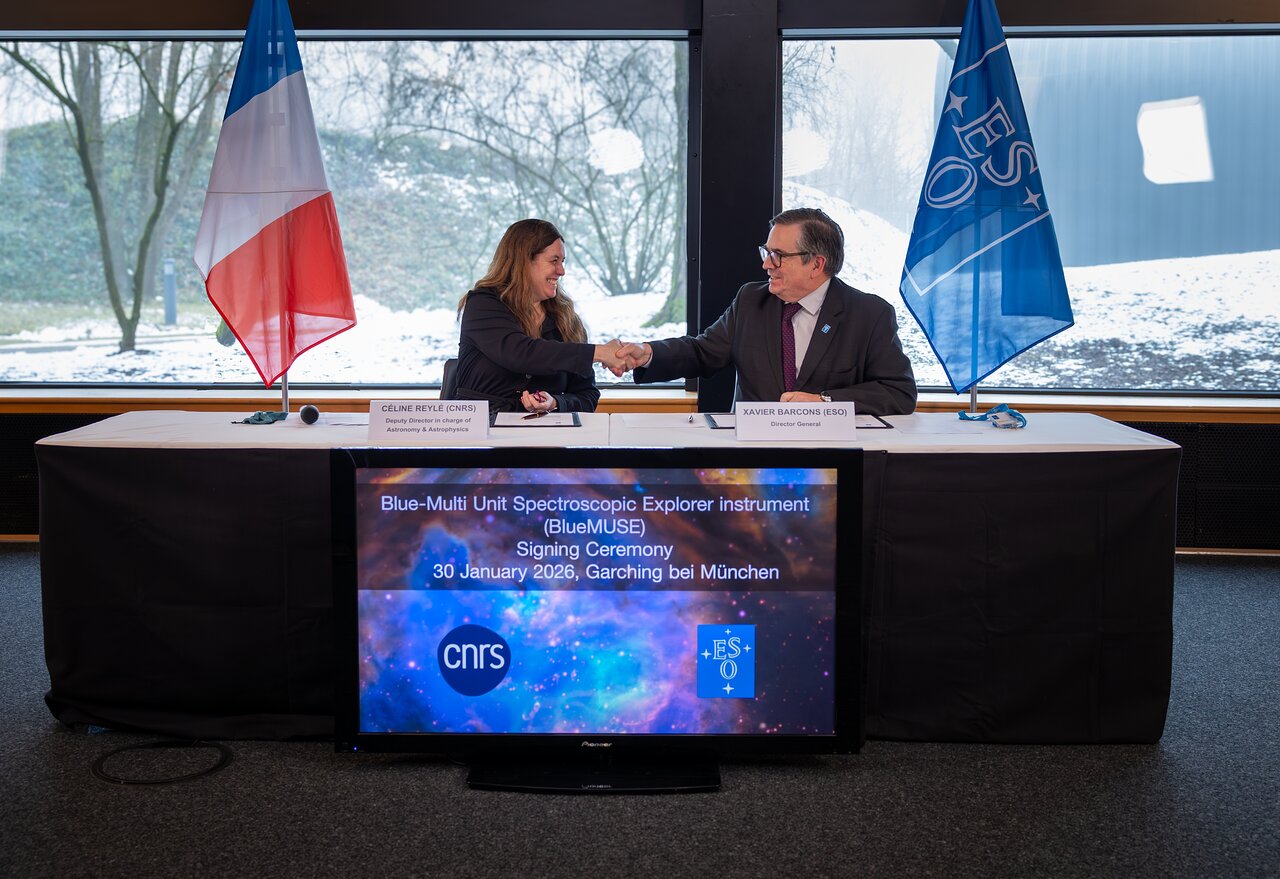
30 January 2026
ESO Signs Contract for BlueMUSE, a New Instrument for the VLT
-
21 October 2025
First light for 4MOST, the next-generation cosmograph
-
1 October 2025
Mission to reinstall the 4MOST instrument at Paranal (Chile)
-
19 December 2024
4MOST Mission at the Leibniz Institute for Astrophysics in Potsdam (AIP)
-
17 June 2024
SPIE Astronomical Telescopes + Instrumentation 2024, Yokohama, Japan
-
15 June 2024
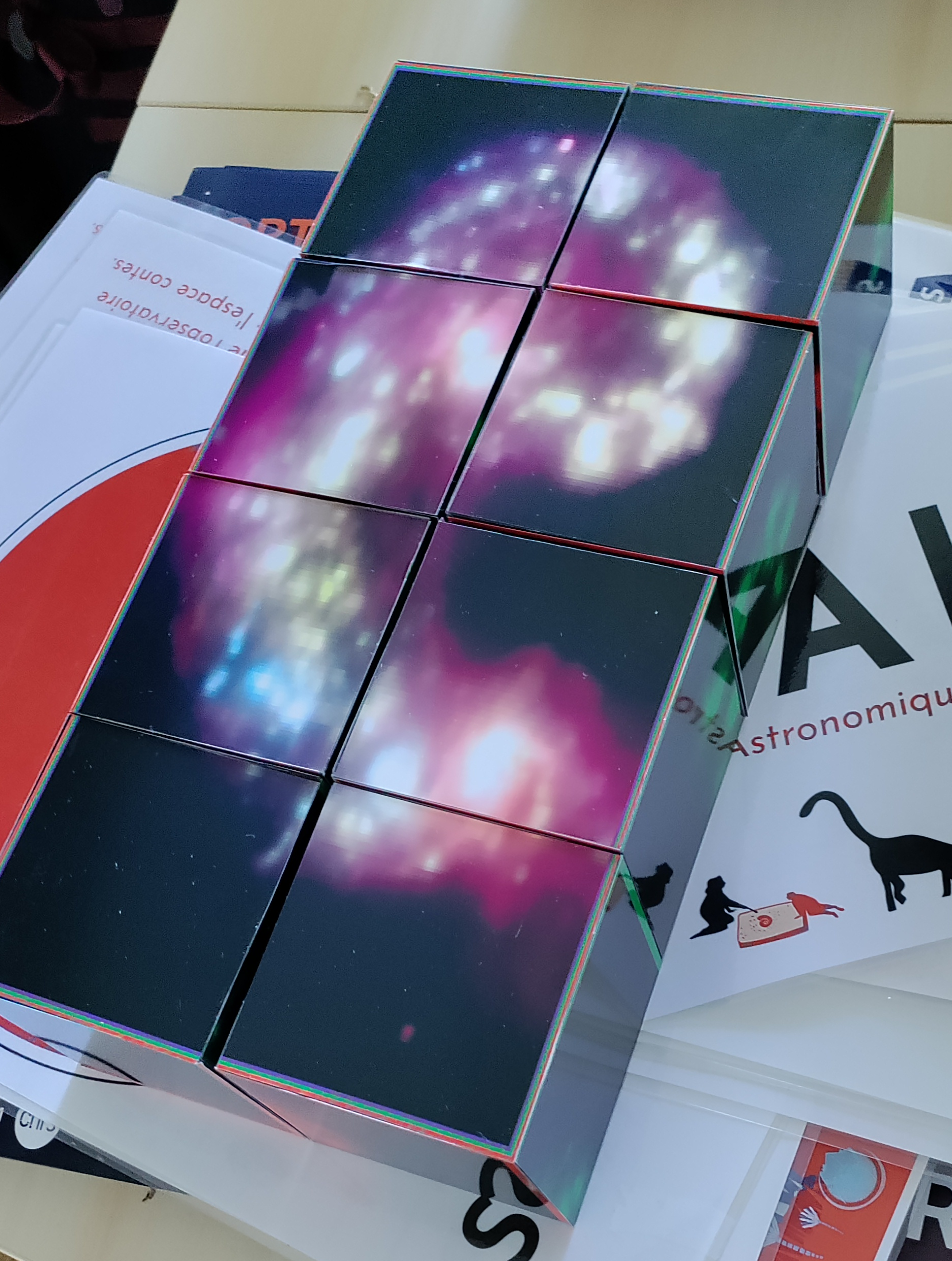
All the Colors of HARMONI at the CRAL Open House
-
23 January 2024
Symposium: Digital Twins: New Frontiers